Public transportation in expensive U.S. cities is one of the easiest ways to cut travel costs without ruining the trip. In places where hotels, food, and attraction tickets already take a big share of the budget, spending too much on getting around can quietly make everything more expensive. Many travelers do not notice the problem at first because the extra costs often stem from small decisions, not a single major mistake. A rideshare from the airport, another short ride to dinner, and a hotel far from the nearest station can push daily spending much higher than expected.
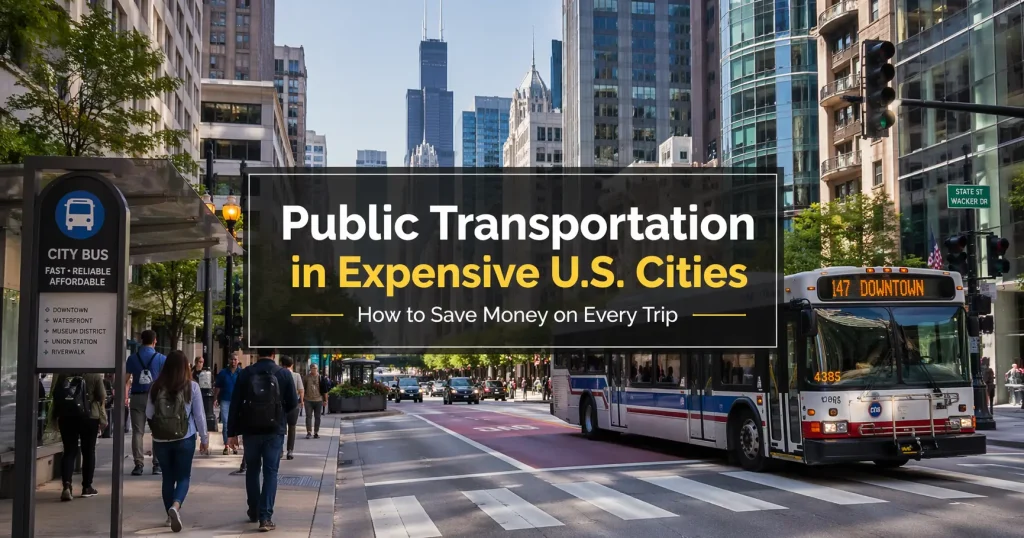
The good news is that smart transportation planning can save real money from the moment the trip begins. Choosing a hotel near the right transit line, checking airport train or bus options before arrival, and grouping attractions by area can make a huge difference. In many cases, buses, subways, trains, ferries, and walkable neighborhoods do more than just lower costs. They also make the trip smoother, easier, and less stressful.
Quick ways to spend less on transportation:
- stay near the transit lines you will actually use
- use rideshare as a backup, not your main plan
- check airport train or bus options before arrival
- group attractions by area
- walk short routes when the neighborhood makes it easy
Why Transportation Costs Add Up Fast in Expensive U.S. Cities
Transportation is often overlooked when travelers first build a budget. Hotels and attraction tickets usually get most of the attention. But in expensive cities, getting around can become one of the biggest daily expenses.
That usually happens because transportation feels small in the moment. One quick ride here, another there, and the total starts growing fast.
Daily Transportation Costs Add Up Quickly
Most travelers do not overspend because of one major mistake. They overspend in small amounts all day.
A ride-share to breakfast, one to a museum, and another back to the hotel can cost much more than a few subway or bus fares. Even short trips can hurt a travel budget when they happen several times a day.
Hotel Location Can Increase Travel Spending
A cheaper hotel does not always lead to a cheaper trip. If the room is far from the places you want to visit, the savings can disappear through extra rides, long commutes, and higher airport transfer costs.
Many travelers spend less overall by paying a little more for a hotel near a useful transit stop or in a walkable area.
How Smart Transit Choices Reduce Total Travel Costs
Small planning decisions can make a big difference. Picking a hotel near a station, checking whether a day pass fits the trip, and grouping nearby stops together can lower both cost and stress.
Walkable neighborhoods help too. When food, transit, and sightseeing are close together, there is less need to pay for short trips.
Public Transportation vs Rideshare in Expensive U.S. Cities
For most budget travelers, public transit is the better default. It usually costs less, keeps spending easier to control, and works well in cities with strong train, subway, bus, or ferry systems.
Rideshare still has its place. The key is using it when it solves a real problem instead of using it for every trip.
Why Public Transit Usually Costs Less
A train or bus fare is often much lower than even a short rideshare. That matters even more in expensive cities, where transportation costs sit on top of already high hotel and food prices.
Transit also works better when the whole day is planned around it. Staying near the right line and spending time in connected areas can save money without adding much effort.
When Rideshare Is Still Worth Paying For
There are times when rideshare makes sense. Late-night arrivals, heavy luggage, bad weather, weak transit connections, or shared fares with a group can all make it a better option.
The mistake is turning it into a habit. Repeated short rides are one of the easiest ways to overspend in a city.
How to Choose Hotels Near Public Transit
Where you stay shapes transportation costs every day of the trip. A low room rate can look great at booking time, but that value disappears quickly if the hotel creates longer commutes and more paid trips.
Stay Close to the Transit Lines You Will Actually Use
Being near transit only helps if that line takes you where you need to go. Before booking, check how the hotel connects to the airport, major attractions, and the neighborhoods on your plan.
A hotel near the right station is usually better than a hotel near just any station.
Compare Hotel Savings Against Daily Transportation Costs
A slightly higher room rate in a better location can lower the full cost of the trip. Fewer transfers, fewer rideshares, and shorter daily routes often make the difference.
This matters most in expensive cities, where transport mistakes can quietly wipe out hotel savings.
Best Ways to Save on Airport Transfers
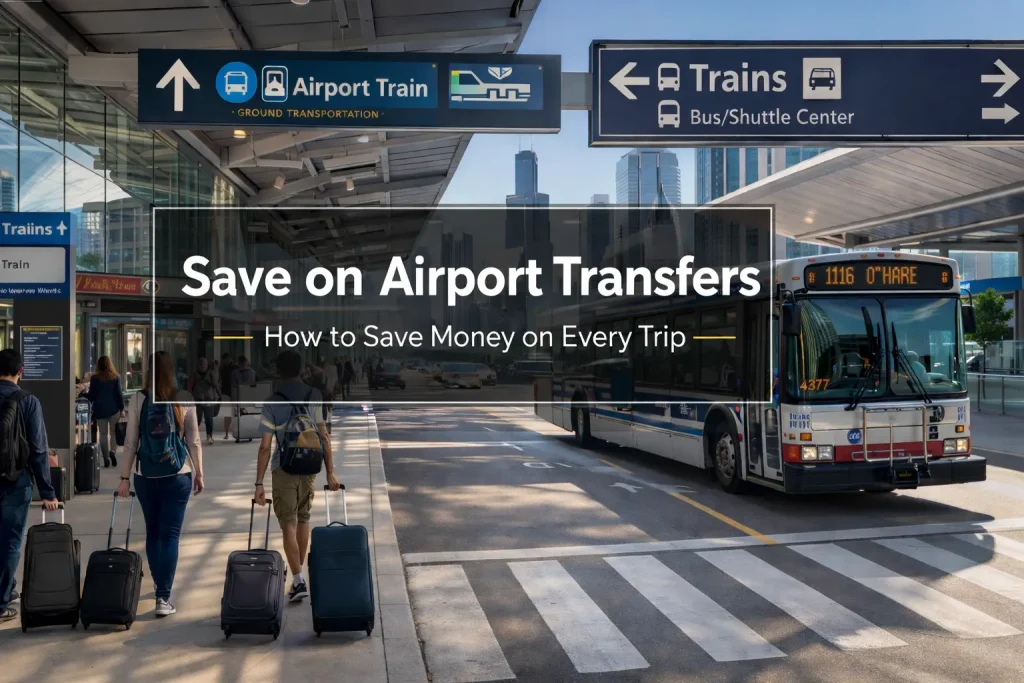
Airport transfers are one of the easiest places to overspend. Travelers often make these choices when they are tired, rushed, or unfamiliar with the city.
A little planning before the trip can prevent that.
Compare Airport Trains, Buses, and Shuttle Options
Many major cities have airport trains, local buses, or shared shuttle options that cost much less than a private car. These routes may take longer, but the savings can be worth it, especially for solo travelers.
It also helps to check whether the route stops near your hotel. That can remove the need for one more paid trip after arrival.
Avoid Last-Minute Taxi and Rideshare Decisions
Last-minute airport rides often cost the most, especially during busy hours, bad weather, or late at night.
A better move is to decide on the airport transfer before landing. Save the route, note the stop name, and check the pickup area in advance if needed.
Common Transit Mistakes That Waste Money
Transportation problems in expensive cities usually come from small choices, not one huge error.
The good news is that these mistakes are easy to avoid once you know where money slips away.
Using Rideshares for Short, Easy Routes
Repeated short rides can drain a budget fast. In many cities, a few quick rides in one day cost far more than a day pass or several single fares.
Save rideshare for situations where it adds real value, not for every short distance.
Choosing Cheap Hotels That Are Too Far From Transit
A low hotel price can hide a poor location. Long travel times, extra transfers, and repeated paid trips can make that room much more expensive than it first looked.
A better location often saves both money and time.
How to Build a Smarter Transportation Plan in Expensive Cities
A smarter transportation plan is not about avoiding every expense. It is about making choices that keep the whole trip easier and cheaper.
Choose a Hotel Base That Lowers Daily Transportation Costs
A good base reduces how often you need paid transport. Hotels near a subway station, bus route, ferry connection, or walkable neighborhood usually work better than cheaper rooms on the edge of the city.
That kind of location can also make mornings easier and reduce time wasted going back and forth.
How to Plan Routes Before You Spend More Than Necessary
Checking routes before leaving the hotel can prevent a lot of wasted money. Grouping sights by area, using transit for longer distances, and walking short segments usually works better than deciding every trip in real time.
It also helps to compare single fares, day passes, and transfer options early.
Public Transportation Tips for Majorly Expensive U.S. Cities
Public transportation in expensive U.S. cities works best when travelers stop using the same strategy everywhere. Each city has its own rhythm, and the cheapest way to get around often depends on how local transit connects airports, downtown areas, tourist districts, and walkable neighborhoods. The smartest move is to match your plan to the city instead of assuming every place works like New York or Chicago.
New York City
New York City is one of the best examples of how public transportation in expensive U.S. cities can protect a travel budget. The subway covers a huge part of the city, so most travelers do not need to rely on taxis between major neighborhoods. That matters because even a few short car rides in Manhattan can cost more than a full day of subway travel.
The smartest move is to stay near a subway stop that connects easily to the areas on your itinerary, not just any station on the map. A hotel in the wrong place can still create extra transfers and wasted time. It also helps to group your days by area, such as Lower Manhattan, Midtown, or Brooklyn, instead of crossing the city multiple times. Once you arrive in a neighborhood, walking usually helps finish the day cheaply. Airport transportation also deserves extra attention here, because the wrong arrival choice can become one of the most expensive rides of the trip.
Budget travel in New York City becomes much easier when you rely on subways, walkable neighborhoods, and a simple daily plan instead of spending too much on taxis and short rideshares.
San Francisco
San Francisco can become expensive very quickly when travelers treat every hill or neighborhood jump as a reason to order a rideshare. Traffic, steep streets, and short but awkward routes often make car trips feel easier in the moment, but they can quietly add up fast over a few days.
A better strategy is to stay in an area with useful transit connections and build each day around nearby neighborhoods. Local trains, buses, ferries, and walking often work best when used together instead of depending on one option for everything.
It is also smart to avoid bouncing back and forth across the city. Try to visit the waterfront, downtown, and nearby districts in the same block of time. In a city like this, poor route planning is often more expensive than the actual fares.
San Francisco on a budget is much more manageable when you use public transit, stay in a well-connected area, and group nearby attractions to avoid extra daily transport costs.
Chicago
Chicago works well for travelers who combine rail, walking, and simple day planning. The city becomes much more affordable when you stay somewhere with strong train access, especially if that location also puts food, sightseeing, and daily basics within walking distance. That kind of setup reduces the need for repeated rides and makes it easier to stay flexible.
Chicago is also a city where airport transportation can be easier on the budget than many first-time visitors expect, so it is worth checking rail options before arrival instead of defaulting to a car. Once you are in central areas, many routes are easier to walk than they look on a map. This is one of the cities where travelers often overspend, not because transit is weak, but because they assume they need private rides more often than they really do. For more details check this post budget travel in Chicago.
Boston
Boston rewards travelers who think in neighborhoods. Many of the city’s popular areas are closer together than they appear at first, which means a mix of walking and transit usually works better than constant short car trips. That is important in an expensive city where a few unnecessary rides each day can raise the total cost of the trip fast.
A well-placed hotel matters a lot here. Staying near a useful transit stop can save money, but staying in a compact, walkable area can save even more by cutting out short paid trips completely. Boston is also a good city for grouping attractions by district instead of moving around randomly. When museums, historic sites, restaurants, and public transit are all close together, the day becomes cheaper and much easier to manage.
Washington, D.C.
Washington, D.C., is usually much easier on a travel budget when the trip is built around Metro access and walkable sightseeing zones. Many major attractions are easier to visit when they are grouped into the same day, especially around museum-heavy and monument-heavy parts of the city. That reduces unnecessary travel and keeps transportation spending more predictable.
The biggest savings often come from hotel choice. A slightly more expensive room near a strong Metro stop can easily beat a cheaper hotel that forces longer commutes and extra rides. D.C. is also one of those places where planning the day really pays off. If you move between connected areas instead of zigzagging around the city, transit feels simple and affordable. If you keep changing plans on the spot, transportation costs rise much faster.
Seattle
Seattle can feel expensive when travelers make every transportation decision in real time. Short trips may not look costly at first, but repeated rideshares between neighborhoods, waterfront areas, and visitor districts can push the daily budget up quickly. A better approach is to think about the city as a mix of light rail, buses, ferries, and walking rather than depending on one paid car ride after another.
Hotel location matters a lot here, especially for airport access and moving between key parts of the city. Staying near useful transit can make both arrival and daily sightseeing much cheaper. Seattle also rewards travelers who plan by zone. Instead of moving back and forth across the city several times, it is better to combine nearby stops into one outing. That keeps transportation simple, lowers costs, and makes the day feel less rushed.
Transportation costs can quickly increase your travel budget. Learn more strategies for visiting expensive destinations in our guide to budget travel tips for expensive cities in the USA.
Final Words
Public transportation in expensive U.S. cities is not just a cheaper alternative to taxis and rideshares. It is one of the smartest ways to protect your travel budget from the small daily costs that add up fast. The travelers who spend less are usually not the ones who avoid every expense. They are the ones who plan better from the start. A hotel near the right transit stop, an airport transfer checked in advance, and a simple route plan for each day can save money again and again throughout the trip. When transportation is handled wisely, expensive cities become far more manageable and a lot more enjoyable.
FAQs
Is public transportation the cheapest way to get around expensive U.S. cities?
In many cases, yes. Subways, buses, trains, ferries, and light rail usually cost less than taking multiple rideshares or taxis on the same day. The biggest savings often come from combining transit with walking.
Should travelers stay near public transit or choose the cheapest hotel?
The cheapest hotel is not always the best value. If the location creates extra rides, longer commutes, or awkward transfers, the total trip can cost more. A hotel near the right transit line often saves more overall.
Are airport transfers a major part of a transportation budget?
They can be. Airport trips are one of the easiest places to overspend, especially in expensive cities. Checking train, bus, and shuttle options before arrival can lower costs right away.
Is a transit pass worth buying in expensive cities?
It depends on how often public transportation will be used each day. A day pass or fare card can work well for travelers making several trips, while single fares may be better for lighter days.
Do walkable neighborhoods help reduce travel costs?
Yes. Walkable areas reduce the need for short paid trips and make it easier to combine sightseeing, meals, and local transportation without extra spending.
Is rideshare ever the better option?
Sometimes. It can make sense late at night, with heavy luggage, during bad weather, or when transit connections are weak. The key is to use it when it solves a real problem, not as the default way to get around.

Silas Harlow
Silas Harlow is a travel writer and budget travel researcher at TravelBee Trips. He creates practical guides covering destinations, accommodation, transportation, attractions, safety, and affordable travel planning. His research uses official tourism resources, government websites, maps, and established service providers where available. Because travel information changes frequently, readers should verify important details before booking. View his complete author profile and editorial approach.
Pingback: Parallel Parking in NYC: Rules, Tips and Cheap Parking Options - TravelBee Trips
Pingback: Budget Travel Tips for Expensive US Cities: 7-City Guide