Planning a trip to Yukevalo Island in 2026? This guide will help you understand the main route options, estimated travel costs, the best time to visit, where to stay, what to pack, and important travel tips.
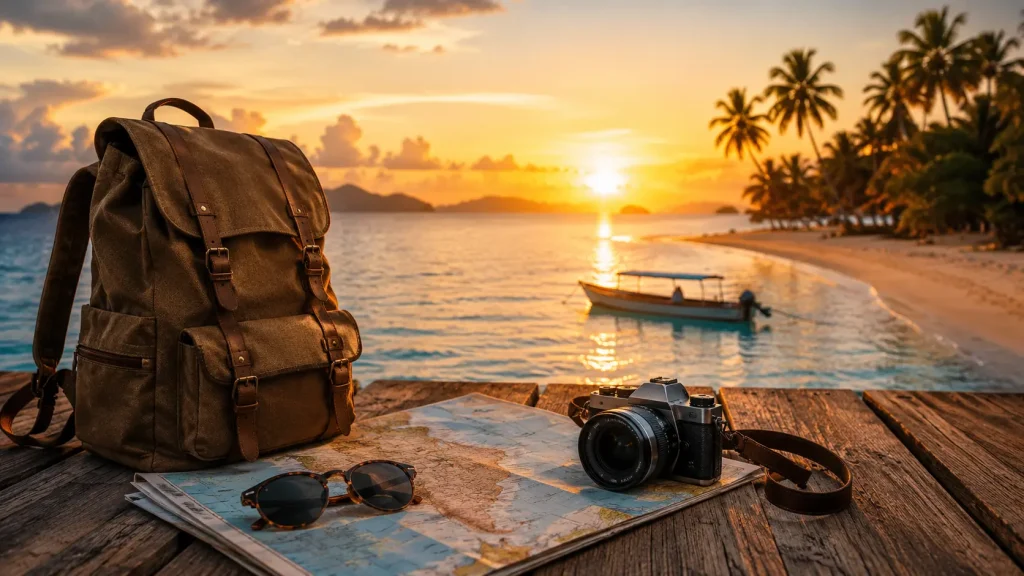
Yukevalo Island is often described as a peaceful island escape for people who love beaches, nature, clear water, and slow travel. It is not the kind of place where you should arrive without planning. Most visitors need to arrange transport, accommodation, local transfers, and weather-safe travel before going.
This guide keeps things simple, clear, and practical.
If you enjoy detailed island planning, you may also like our island travel guide for Bali, which covers beaches, stays, food, transport, and travel tips.
Important travel note: Public travel information about Yukevalo Island can be limited and sometimes inconsistent. Before booking, always confirm the latest ferry schedules, transfer prices, weather conditions, entry rules, and accommodation details with your hotel, tour operator, ferry company, or local tourism source.
Quick Facts About Yukevalo Island
| Travel Detail | What to Know |
|---|---|
| Best for | Beach lovers, couples, solo travelers, eco-tourists, and slow travelers |
| Main travel style | Beaches, nature, snorkeling, local culture, and relaxation |
| Common transport options | Ferry, local boat, seaplane, or private boat transfer |
| Suggested trip length | 2 to 5 days |
| Budget level | Budget to mid-range, depending on route and stay |
| Important tip | Confirm all transport details before booking |
Yukevalo Island is best for travelers who enjoy quiet places. If you want busy nightlife, shopping malls, or luxury city comfort, this may not be the right destination for you.
However, if you want calm beaches, fresh air, simple island life, and a slower travel experience, Yukevalo Island can be worth considering.
Before You Book Your Yukevalo Island Trip
Before you book flights, hotels, or tours, take a little time to confirm the basics. This can save you from stress later.
Island travel can change because of weather, ferry schedules, local holidays, and seasonal demand.
Confirm the Correct Route
Do not depend on one random travel post only.
Ask your hotel or tour operator:
- What is the nearest airport or mainland arrival point?
- Which ferry terminal or boat point should you use?
- How long does the full journey take?
- Is pickup available from the airport or port?
This step is very important because route details can vary.
Check Ferry or Boat Availability
Ferries and boats may not run all day. In some seasons, there may be only a few trips.
Bad weather can also delay or cancel sea transfers.
Before you finalize your plan, confirm:
| What to Check | Why It Matters |
|---|---|
| Ferry timing | To avoid long waiting hours |
| Return schedule | To avoid missing your flight |
| Weather policy | Boats may stop during a rough sea |
| Ticket availability | Seats may be limited in peak season |
| Luggage rules | Some boats may have small luggage limits |
Ask Your Hotel About Transfers
Many island hotels and guesthouses can guide you better than general websites.
Before booking, ask them:
- Can they arrange pickup?
- Is the transfer included in the room price?
- How much does the transfer cost?
- What happens if your ferry is delayed?
- Can they help with return transport?
This makes your trip easier, especially if you are visiting for the first time.
Where Is Yukevalo Island Located?
Yukevalo Island is usually described as a remote island destination. However, exact location details, nearby airports, and transfer points are not always clearly listed in public travel content.
Because of this, you should confirm the location and travel route before making paid bookings.
This does not mean you should avoid the trip. It simply means you should plan carefully.
Remote islands can be beautiful, but they need better preparation than popular tourist cities.
How to Get to Yukevalo Island in 2026
Getting to Yukevalo Island usually takes more than one step.
Most travelers first reach a nearby mainland city, airport, or coastal hub. After that, they continue by ferry, local boat, seaplane, or private boat transfer.
Your best route depends on your budget, comfort level, travel time, and group size.
Main Route Options
| Route Option | Best For | Travel Style | Cost Level |
|---|---|---|---|
| Regional flight plus ferry | Most first-time visitors | Practical and common | Low to mid |
| Ferry or local boat | Budget travelers | Simple and affordable | Low |
| Seaplane transfer | Couples and short trips | Fast and scenic | Mid to high |
| Private boat transfer | Families and groups | Flexible and comfortable | High |
Route 1: Regional Flight Plus Ferry
This is usually the most practical option for many travelers.
First, you travel to the nearest mainland airport or travel hub. Then you go to the ferry terminal. From there, you take a ferry or local boat to reach Yukevalo Island.
This option is often cheaper than seaplane or private charter travel.
However, it may take more time. You may need to wait for the ferry or arrange a road transfer between the airport and the port.
Route 2: Ferry or Local Boat
A ferry or local boat is usually the most budget-friendly way to reach an island.
It is a good choice if you want to save money and do not mind a slower journey.
Before choosing this route, check the ferry schedule carefully. Also, ask about weather conditions because sea travel can change quickly.
Route 3: Seaplane Transfer
A seaplane can be the fastest and most scenic way to reach Yukevalo Island if this option is available.
It gives you beautiful views from above and saves time.
The downside is the price. Seaplane transfers are usually more expensive than ferries or local boats.
This option is better for couples, honeymoon travelers, luxury travelers, or people with limited time.
Route 4: Private Boat Transfer
A private boat transfer is useful if you are traveling with family or a group.
It gives you more control over timing. It may also be helpful if ferry schedules do not match your arrival time.
However, private transfers can be costly.
If you are traveling with a group, you can divide the cost, which may make it more reasonable.
Which Route Is Best for You?
| Traveler Type | Best Route |
|---|---|
| Budget traveler | Ferry or local boat |
| First-time visitor | Regional flight plus ferry |
| Couple | Seaplane or planned ferry route |
| Family with children | Private boat or hotel-arranged transfer |
| Group of friends | Private boat if cost is shared |
| Short trip traveler | Fastest available transfer |
If you are visiting Yukevalo Island for the first time, choose the route that is easiest to manage. Do not choose the cheapest option only.
A cheap route can become stressful if it has long waiting times, unclear pickup points, or risky weather conditions.
Estimated Yukevalo Island Travel Costs in 2026
The cost of visiting Yukevalo Island depends on your travel style.
A simple guesthouse trip with ferry travel can be affordable. A resort trip with a seaplane or private boat transfer can become expensive.
The prices below are only estimates. Always confirm the latest rates before booking.
Estimated Travel Cost Table
| Expense Type | Budget Option | Mid-Range Option | Higher-End Option |
|---|---|---|---|
| Ferry or local boat | $20–$60 | $60–$120 | Not usually needed |
| Seaplane transfer | Not common | $120–$250 | $250+ |
| Private boat transfer | Not ideal | $250–$500 | $500+ |
| Accommodation per night | $40–$80 | $80–$180 | $200+ |
| Food per day | $15–$30 | $30–$60 | $70+ |
| Activities per day | $20–$50 | $50–$120 | $150+ |
For more money-saving ideas, read our practical budget travel tips before planning your full trip cost.
Budget Trip Estimate
A budget trip is best for backpackers, solo travelers, and people who prefer simple travel.
You can save money by using ferries, staying in guesthouses, eating local food, and choosing free or low-cost activities.
| Item | Estimated Daily Cost |
|---|---|
| Guesthouse | $40–$80 |
| Local meals | $15–$30 |
| Local transport | $10–$30 |
| Basic activities | $20–$50 |
| Estimated total per day | $85–$190 |
Mid-Range Trip Estimate
A mid-range trip gives you more comfort.
You may stay in a better hotel or eco-lodge, eat at restaurants, book guided tours, and choose easier transfers.
| Item | Estimated Daily Cost |
|---|---|
| Hotel or eco-lodge | $80–$180 |
| Food and drinks | $30–$60 |
| Transport | $30–$80 |
| Tours and activities | $50–$120 |
| Estimated total per day | $190–$440 |
Luxury Trip Estimate
A luxury trip may include a beach resort, private transfer, private guide, and premium meals.
| Item | Estimated Daily Cost |
|---|---|
| Resort stay | $200+ |
| Food and drinks | $70+ |
| Private transfer | $250+ |
| Private tours | $150+ |
| Estimated total per day | $670+ |
Sample 3-Day Budget for Yukevalo Island
If you are planning a short trip, a 3-day budget can help you understand the total cost better.
Here is a simple estimate for one person:
| Expense | Budget Trip | Mid-Range Trip |
|---|---|---|
| Return ferry or local transfer | $40–$120 | $100–$250 |
| 2-night stay | $80–$160 | $160–$360 |
| Food for 3 days | $45–$90 | $90–$180 |
| Activities | $50–$150 | $150–$300 |
| Local transport and extras | $30–$80 | $80–$150 |
| Estimated total | $245–$600 | $580–$1,240 |
These numbers are not fixed. Your total cost can change based on season, hotel type, transfer method, and activities.
Best Time to Visit Yukevalo Island
The best time to visit Yukevalo Island depends on your travel goal.

If you want beach weather and water activities, choose a dry and calm-weather period. If you want lower prices and fewer visitors, consider the shoulder season or off-season.
Because public information about Yukevalo Island seasons can vary, always check the latest local weather before booking.
If you are comparing island weather patterns, our guide on the best time to visit a tropical island can help you understand how seasons affect beaches, prices, and crowds.
Best Time by Travel Goal
| Travel Goal | Best Time to Consider |
|---|---|
| Beach days | Dry and sunny months |
| Snorkeling | Calm sea and clear water season |
| Budget travel | Shoulder season or off-season |
| Fewer crowds | Outside public holidays and peak months |
| Hiking | Mild weather months |
| Photography | Clear mornings and sunset-friendly months |
Best Months for Good Weather
Dry months are usually better for island travel.
Sunny weather makes ferry rides smoother and beach days more enjoyable. It also helps with snorkeling, hiking, boat tours, and outdoor activities.
Before booking, check the weather forecast for your exact travel dates.
Cheapest Time to Visit
The cheapest time is usually outside the main tourist season.
Hotels may offer better rates. Tours may be less crowded. You may also find more peaceful beaches.
However, cheaper travel months can sometimes bring more rain or fewer transport options.
So, balance price with safety and comfort.
When to Avoid Visiting
Avoid visiting during heavy rain, storms, rough sea conditions, or periods when ferries are often delayed.
Island weather can affect your whole trip.
A boat tour may be cancelled. A ferry may leave late. A beach day may become difficult.
Always keep one extra flexible day if possible.
How Many Days Are Enough for Yukevalo Island?
You can visit Yukevalo Island in one day if transport is easy. But for most travelers, one day may feel rushed.
A 2-day trip is better. A 3-day trip is ideal for first-time visitors.
If you want a relaxed holiday, stay for 5 days.
Suggested Trip Length
| Trip Length | Best For |
|---|---|
| 1 day | Quick visit or day trip |
| 2 days | Short beach break |
| 3 days | First-time visitors |
| 5 days | Relaxed island holiday |
| 7 days | Slow travel and deeper exploration |
If the journey to Yukevalo Island is long, avoid a one-day plan. You may spend more time traveling than enjoying the island.
Where to Stay on Yukevalo Island
Where you stay can change your full travel experience.
If you stay near the beach, you can enjoy sunrise, sunset, and easy walks. If you stay near the main village or central area, food and transport may be easier.
Choosing the right area can change your whole trip, just like we explain in our guide on where to stay for first-time visitors.
Common Accommodation Options
| Stay Type | Best For |
|---|---|
| Guesthouse | Budget travelers |
| Small hotel | First-time visitors |
| Beach resort | Couples and comfort seekers |
| Eco-lodge | Nature lovers |
| Family stay | Groups and families |
Budget Guesthouses
Guesthouses are usually simple and affordable.
They are good if you want to save money and spend most of your time outdoors.
Before booking, check reviews, room photos, bathroom details, Wi-Fi availability, and distance from the ferry or boat arrival point.
Small Hotels
Small hotels are a good middle option.
They usually offer more comfort than a guesthouse but cost less than a resort.
This can be a good choice for first-time visitors.
Beach Resorts
Beach resorts are better for travelers who want comfort.
Some resorts may help with meals, tours, and transfers. This makes the trip easier if you do not want to manage every detail yourself.
Before booking, ask what is included in the price.
Eco-Lodges
Eco-lodges are good for travelers who care about nature.
They may focus on local materials, low plastic use, solar power, local food, and guided nature activities.
If you choose an eco-lodge, ask about electricity, internet, food, and transport before booking.
Best Things to Do on Yukevalo Island
Yukevalo Island is mainly about nature, beaches, and slow travel.
Do not expect a busy city-style holiday. The best activities are simple, calm, and close to nature.
Relax on the Beaches
Beaches are one of the main reasons people want to visit Yukevalo Island.
You can walk on the sand, swim, take photos, read a book, or enjoy the sunset.
For a peaceful experience, visit the beach early in the morning or late in the afternoon.
Try Snorkeling
Snorkeling can be one of the best activities if the water is clear and safe.
You may see fish, coral, and other sea life depending on the area.
Use reef-safe sunscreen when possible. Also, do not touch coral or stand on it. Coral is living and can break easily.
Explore Nature Trails
If the island has marked walking trails, take a short hike.
Nature trails can lead to viewpoints, quiet areas, trees, birds, and beautiful photo spots.
Wear comfortable shoes and carry water.
Visit Local Villages
A village visit can help you understand local life.
You may find small shops, local food, handmade items, or fishing areas.
Be respectful. Ask before taking photos of people, homes, or private places.
Take a Boat Tour
A boat tour may include nearby beaches, snorkeling spots, or small islands.
Before booking, ask about:
- Life jackets
- Weather policy
- Tour timing
- What is included
- Group size
- Return time
Do not choose a boat tour only because it is cheap. Safety should come first.
Suggested Yukevalo Island Itinerary
A good island itinerary should not be too busy.
Keep your plan flexible because the weather and transport can change.
1-Day Yukevalo Island Itinerary
| Time | Plan |
|---|---|
| Morning | Arrive by ferry or boat |
| Late morning | Visit the beach |
| Afternoon | Eat local food and explore nearby areas |
| Evening | Return or stay overnight |
A one-day trip is only good if transport is easy and reliable.
2-Day Yukevalo Island Itinerary
Day 1: Arrive, check in, walk on the beach, and enjoy the sunset.
Day 2: Try snorkeling, visit a local area, eat local food, and return.
This is a good short trip for people who want a weekend-style island break.
3-Day Yukevalo Island Itinerary
Day 1: Arrive, check in, and relax at your stay.
Day 2: Go snorkeling, take a guided tour, or visit nearby beaches.
Day 3: Enjoy a slow morning, buy local items, and return.
This is the best plan for most first-time visitors.
5-Day Yukevalo Island Itinerary
| Day | Plan |
|---|---|
| Day 1 | Arrival and beach walk |
| Day 2 | Snorkeling and water activities |
| Day 3 | Nature trail or viewpoint |
| Day 4 | Local village, food, and culture |
| Day 5 | Relax, pack, and return |
A 5-day trip gives you enough time to enjoy the island without rushing.
Food and Local Culture
Food on Yukevalo Island is likely to be simple, fresh, and local.
Depending on the area and season, you may find seafood, rice, fruit, grilled food, and basic island meals.
What to Eat
Try local food when possible.
Local meals are often fresher and cheaper than imported food. They also support small businesses.
If you have food allergies, tell your hotel or restaurant clearly before ordering.
Local Etiquette
Good manners matter.
Dress modestly when visiting villages or cultural places. Speak politely. Do not leave trash behind. Do not enter private land without permission.
Small actions show respect.
Support Local Businesses
Use local guides, eat at small restaurants, and buy handmade items if available.
This helps local people benefit from tourism.
Responsible travel does not need to be difficult. It simply means you travel in a way that respects the place and the people.
What to Pack for Yukevalo Island
Packing well can make your trip easier.

Island shops may be limited, so bring important items with you.
Yukevalo Island Packing List
| Category | Items to Pack |
|---|---|
| Clothes | Light shirts, shorts, swimwear, modest outfit |
| Beach items | Towel, hat, sunglasses, reef-safe sunscreen |
| Outdoor gear | Comfortable shoes, small backpack, waterproof bag |
| Health | First aid kit, medicine, insect repellent |
| Documents | Passport copy, booking proof, travel insurance |
| Electronics | Power bank, charger, and offline maps |
| Money | Cash, cards, small notes |
Bring Cash
Do not depend only on cards.
Small islands may have limited ATMs, weak internet, or shops that accept cash only.
Carry enough cash for food, local transport, small shops, tips, and emergencies.
Save Offline Maps
Mobile signal may not work everywhere.
Download offline maps before you leave the mainland or airport area.
Also, save your hotel address, ferry details, and emergency contacts on your phone.
If your trip includes walking trails or nature areas, these outdoor packing tips can help you prepare better.
Money, Internet, and Local Transport
Small island travel is different from city travel.
Things may move slowly. The Internet may be weaker. Transport may depend on the weather and local availability.
Cash and Card Payments
Cards may work in bigger hotels or resorts. However, small shops and local sellers may prefer cash.
Keep small notes because local sellers may not always have change.
Internet and SIM Cards
Ask your hotel which mobile network works best.
A local SIM card or eSIM may help, but coverage can still be limited in remote areas.
Do not expect strong internet everywhere.
Getting Around the Island
Depending on the island setup, you may use walking routes, bicycles, scooters, local taxis, or boat taxis.
Before renting a scooter, check road conditions and local rules.
If you are not confident, choose a local driver instead.
Safety Tips for Visiting Yukevalo Island
Yukevalo Island can be a peaceful place, but every island trip needs basic safety planning.
Most problems happen when travelers ignore weather, sea conditions, or local advice.
Check the Weather Daily
Weather affects island travel more than city travel.
A sunny morning can become a rainy afternoon. A calm sea can become rough.
Check the forecast before ferry rides, snorkeling trips, hikes, and boat tours.
Before taking any ferry, local boat, or private transfer, check a marine weather forecast and confirm sea conditions with your boat operator.
Choose Safe Boat Operators
Before taking any boat, check if life jackets are available.
Avoid overcrowded boats.
If the sea looks unsafe, do not force the trip. It is better to miss one activity than take a serious risk.
Keep Emergency Contacts
Save important numbers on your phone.
These may include:
- Hotel
- Local guide
- Ferry office
- Tour operator
- Emergency contact
- Travel insurance support
Also, keep a paper copy in your bag.
Buy Travel Insurance
Travel insurance is useful for island trips.
It may help with medical issues, delays, cancellations, or lost bags.
It is also smart to buy travel insurance before your trip, especially for medical care, ferry delays, cancellations, and emergency support.
Before buying, read what the policy covers.
Questions to Ask Before Booking
Before you pay for hotels, flights, or tours, ask these questions.
| Question | Why It Matters |
|---|---|
| What is the nearest confirmed airport or port? | To avoid wrong route planning |
| Is the ferry running on my travel date? | To avoid delays |
| Is hotel transfer included? | To avoid surprise costs |
| What happens if the weather is bad? | Important for boat travel |
| Are cards accepted on the island? | Helps with cash planning |
| Is Wi-Fi available at the hotel? | Important for remote work or communication |
| Are tours available during my dates? | Some activities may not run daily |
This small checklist can prevent many travel problems.
Common Mistakes to Avoid
Many travelers make simple mistakes when visiting remote islands.
You can avoid them with better planning.
Booking Transport Too Late
Ferry seats, seaplane seats, and private boats may be limited.
Book early, especially during peak season.
Ignoring the Weather
Do not book a tight return flight right after a ferry ride.
If the ferry is delayed, you may miss your flight.
Keep extra time in your plan.
Packing Too Much
Do not carry heavy bags if you need to move between boats, docks, and guesthouses.
Pack light and smart.
Forgetting Cash
This is one of the biggest mistakes.
Bring enough cash for small payments and emergencies.
Not Confirming Local Details
Always confirm ferry times, transfer points, check-in time, and return options before arrival.
Who Should Visit Yukevalo Island?
Yukevalo Island is a good choice for people who enjoy quiet travel.
You may enjoy it if you like:
- Beaches
- Nature
- Snorkeling
- Slow travel
- Simple local food
- Peaceful places
- Outdoor activities
It is also a good option for couples, solo travelers, eco-tourists, and people who want a break from busy places.
Who Should Not Visit Yukevalo Island?
Yukevalo Island may not be ideal for every traveler.
You may not enjoy it if you want:
- Big shopping malls
- Luxury nightlife
- Very fast internet everywhere
- Easy city-style transport
- Many restaurants and entertainment options
- A trip with no planning at all
This island is better for people who can stay flexible and enjoy simple travel.
Yukevalo Island Travel Tips for 2026
A good Yukevalo Island trip is not about rushing.
It is about planning the basics and then enjoying the place slowly.
Book Early
Book your hotel and transport early if you are visiting during a popular travel month.
This can help you get better prices and better options.
Keep Your Plan Flexible
Do not fill every hour of your trip.
Leave space for weather changes, slow transport, rest, and local experiences.
Respect Nature
Do not throw plastic on the beach.
Do not touch coral.
Do not disturb animals.
Use reef-safe sunscreen when possible.
Ask Locals for Advice
Local people often know the best times, safe routes, food spots, and quiet beaches.
A short conversation can make your trip better.
Confirm Everything Before You Go
Before your final travel date, confirm:
| What to Confirm | Why It Matters |
|---|---|
| Ferry schedule | Times may change |
| Boat transfer | The weather can affect service |
| Hotel booking | Small stays may have limited rooms |
| Activity availability | Tours may not run daily |
| Weather forecast | Helps avoid unsafe travel |
| Cash access | ATMs may be limited |
FAQs About Visiting Yukevalo Island
How do I get to Yukevalo Island?
Most travelers first reach a nearby mainland travel hub. After that, they continue by ferry, local boat, seaplane, or private boat transfer.
The exact route depends on your starting point, season, budget, and local transport schedule.
What is the cheapest way to visit Yukevalo Island?
The cheapest way is usually by ferry or local boat.
To save more money, stay in a guesthouse, eat local food, and avoid peak travel dates.
What is the best time to visit Yukevalo Island?
The best time is usually during dry and calm weather months.
This is better for beach days, ferry rides, snorkeling, hiking, and boat tours. Always check the latest local weather before booking.
How many days are enough for Yukevalo Island?
Three days are enough for most first-time visitors.
You can arrive, relax, enjoy activities, and return without rushing. If you want a slower trip, stay for 5 days.
Is Yukevalo Island expensive?
It depends on your travel style.
A ferry and guesthouse trip can be affordable. A resort, seaplane, and private tour trip can become expensive.
Is Yukevalo Island safe for solo travelers?
It can be suitable for solo travelers if you plan carefully.
Choose safe transport, book a trusted stay, avoid risky boat trips, and keep emergency contacts with you.
Do I need to book ferry tickets in advance?
Yes, advance booking is a smart idea.
Ferry seats may be limited during busy periods. Weather can also affect schedules, so confirm your ticket before departure.
What should I pack for Yukevalo Island?
Pack light clothes, swimwear, sunscreen, insect repellent, cash, a power bank, medicine, travel documents, and a waterproof bag.
Also, bring comfortable shoes if you plan to walk or hike.
Can I visit Yukevalo Island on a budget?
Yes, you can visit on a budget if you choose simple transport, stay in a guesthouse, eat local food, and avoid expensive private tours.
However, keep extra money for delays, weather changes, or emergency transport.
Final Thoughts: Is Yukevalo Island Worth Visiting in 2026?
Yukevalo Island can be worth visiting if you enjoy peaceful beaches, nature, simple travel, and quiet island life.
It is not the best choice for travelers who want big-city comfort, luxury shopping, or busy nightlife.
However, if you want fresh air, slow mornings, clear water, and a calm break from busy routines, it can be a beautiful trip.
The most important thing is to plan carefully.
Check your route, confirm transport, compare costs, watch the weather, and keep your itinerary flexible.
With the right planning, visiting Yukevalo Island in 2026 can be a smooth, peaceful, and memorable travel experience.