New York City is expensive, but a cheaper trip is still possible if you plan it well. The biggest savings usually come from a few simple choices: where you stay, how you get around, what you pay to see, and where you eat. Budget travel in New York City works best when you make those decisions early, rather than figuring everything out on the go.
A smart plan is fairly simple. Stay somewhere with good subway access instead of paying extra for the most famous part of Manhattan. Group your sightseeing by area so you don’t waste time and money crossing the city all day. Mix free attractions with a few paid highlights. Keep food costs under control with delis, grocery stops, and casual local spots instead of sitting down for every meal.
That does not make the trip feel limited. It just helps you spend money where it adds value and cut back where it does not.
Why New York City feels expensive for first-time travelers

For many first-time visitors, the problem is not a single, large expense. It is how quickly small costs pile up.
New York City is one of the most expensive destinations in America, but with the right planning, travelers can still enjoy major attractions without overspending. For more strategies that work across multiple destinations, check our guide to budget travel tips for expensive cities in the USA.
Hotels are usually the first shock. Travelers book a room in a well-known area, then realize the nightly rate is only part of the total. Taxes, extra fees, small rooms, and busy travel dates can push the final cost much higher than expected.
Food is another common problem. It is easy to grab meals near major attractions because it feels convenient. The trouble is that these areas often charge more, and the value is not always great.
Transportation also catches people off guard. New York is walkable in many places, but not every plan works well on foot. Travelers who are unsure about the subway often end up relying on taxis and rideshares, which can add up fast.
Then there are attractions. It is easy to build an itinerary filled with observation decks, museums, tours, and ticketed sights. A few paid stops every day can make the whole trip feel much more expensive than it needs to be.
New York feels costly partly because it is New York, but a lot of the damage comes from convenience spending. The wrong hotel, too many car rides, and an overloaded sightseeing list can quickly stretch the budget.
Budget travel in New York City starts with smart planning
A cheaper NYC trip usually starts before you even arrive. Choosing the right area, checking subway access, and planning a mix of free and paid activities can make a big difference.
One of the easiest ways to save money is to rethink location. You do not need to stay in the heart of the tourist Center if your hotel is close to a good subway line. Many Travelers cut costs by staying just outside Manhattan’s busiest areas while still keeping the city easy to reach.
It also helps to group your plans by Neighborhood. That saves time, lowers transport costs, and makes the day feel less rushed. Instead of jumping across the city again and again, it is usually easier to explore one area well and leave another for the next day.
A smarter approach is to choose a few paid attractions that really matter to you and let the rest of the trip come from the city itself. In New York, parks, ferries, markets, Neighborhoods, and skyline views can add just as much to the experience as a long list of expensive tickets.
Best areas to stay in NYC on a budget
The best budget area is not always the one with the cheapest room. It is the one that gives you the right mix of price, convenience, and easy access to the places you want to visit.
Midtown is popular for a reason. It is central and familiar. But it is also often one of the most expensive places to stay. For many budget Travelers, paying extra just to be in the middle of everything is not always worth it.
A better option is often to look just outside the busiest tourist core. Parts of Queens can offer better value while still giving you quick subway access to Manhattan. If the station is nearby and the route is simple, that trade-off can work very well.
Some parts of Brooklyn can also be a good fit, especially if you want a less tourist-heavy base with good transport links. The goal is not to stay in a specific borough just to save money. The goal is to stay somewhere practical, with an easy commute and enough nearby food options to help keep daily costs down.
Lower Manhattan is worth checking, too, depending on timing and rates. Some Travelers focus only on Midtown and overlook areas that may offer better value.
When comparing hotels, do not stop at the base price. Check how close the hotel is to the subway, what the full checkout cost looks like, what kind of room you are actually getting, and whether the area has grocery stores, coffee shops, and casual places to eat. A cheaper room that leaves you far from everything can cost more in time, transport, and effort.
If accommodation is your biggest expense, it’s worth planning. Staying smart can make a huge difference in high-cost destinations.
Here’s how to find the best options for cheap hotels in expensive U.S. cities without sacrificing location or comfort.
How to save money on transportation in New York City
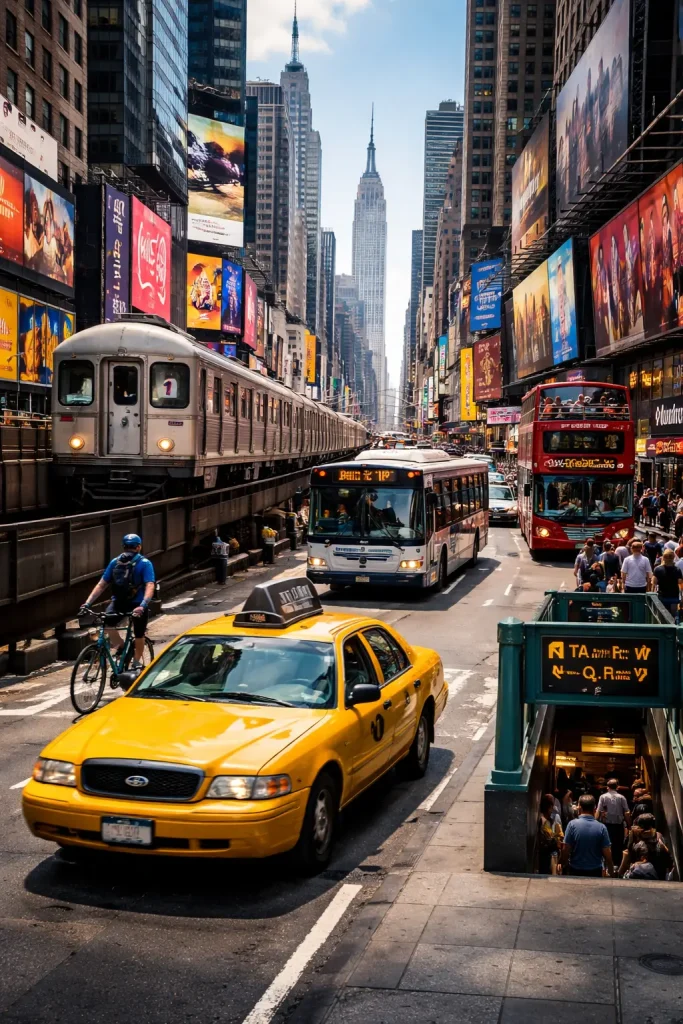
For most visitors, the subway is the cheapest and most practical way to get around. It covers a large part of the city, helps you avoid traffic, and makes it easier to stay outside the most expensive hotel zones without feeling cut off.
That is why hotel location matters so much. A more affordable hotel near a useful subway line often gives better value than a pricier hotel in a famous area.
For first-time visitors, the subway can seem confusing at first, but it gets easier once you understand the basics. Check your route before leaving the hotel. Pay attention to direction, not just the line name. Give yourself extra time on the first day or two. If the route is simple and direct, it will usually be cheaper and easier than taking a car.
Walking can save money too, especially when your stops are close together. In many parts of Manhattan, walking between nearby sights is easier than taking a taxi and sometimes just as simple as using the subway for short hops. It also helps you avoid spending on transport for very short distances.
Taxis and rideshares still make sense sometimes. They can be useful late at night, when you have luggage, or when you are splitting the fare with others. The expensive mistake is using them for everyday sightseeing when the subway or walking would do the job.
Airport transfers are another place where people often overspend. Many Travelers land tired, skip the planning, and take the easiest option without comparing costs. A better move is to look at public transit, airport rail links, and shared options before the trip starts.
Getting around doesn’t have to drain your budget if you plan and use the right options.
Learn how to save more by using public transportation in expensive U.S. cities instead of relying on taxis or rideshares.
Free and low-cost things to do in NYC
New York has plenty of expensive attractions, but you do not have to fill every day with paid tickets to enjoy the city.
Parks are one of the easiest ways to keep sightseeing costs low. A long walk through Central Park, along the waterfront, or across one of the city’s famous bridges can fill hours without costing anything. These are not second-choice activities either. For many Travelers, they are some of the best parts of the trip.
Neighborhood walks are another strong option. Exploring different areas adds variety to the trip without turning every day into a list of ticketed stops. A good budget itinerary often includes one paid highlight and several free places nearby, such as parks, markets, public spaces, or scenic streets.
Museums and cultural spaces can also fit a tighter budget if you are selective. Some Travelers choose one or two that matter most and then build the rest of the day around lower-cost or free experiences.
Waterfront areas, city views, architecture, public squares, and street life can all make the trip feel full without pushing up the budget. One of the biggest mistakes visitors make is assuming that only paid attractions count as real sightseeing.
Evenings do not have to be expensive. Cheap things to do in NYC at night can be as simple as walking through lively Neighborhoods, seeing the skyline lit up, crossing a bridge, or spending time in public spaces with a strong atmosphere.
You don’t have to spend heavily to enjoy top destinations—many highlights are completely free if you know where to look.
Explore the best free things to do in expensive U.S. cities to get more value out of your trip.
Cheap eats and grocery strategies for budget travelers
Food spending can quietly become one of the biggest parts of a New York travel budget, especially if every meal is bought in the most convenient place.
A simple way to save money is to stop treating every meal the same. Many Travelers keep breakfast cheap, grab a casual lunch, and choose only one meal a day to spend a bit more on. That keeps the trip enjoyable without spiraling food costs.
Grocery stores are useful for breakfast items, snacks, drinks, fruit, and light evening food. Even a small daily grocery stop can save a noticeable amount over several days.
Delis, takeaway counters, pizza spots, bagel shops, and other casual places are often better for budget Travelers than sit-down restaurants near major attractions. A smarter option is to step a little away from the busiest tourist blocks before eating.
Lunch can also be a better time for a more filling paid meal. Some Travelers choose a local food stop for lunch and keep dinner simple. That is often easier on the budget than doing the reverse.
It also helps to carry water and a few snacks. It is basic advice, but it works. You avoid paying inflated prices when you are tired, hungry, or stuck near a major attraction.
When a New York attraction pass is worth buying
A New York attraction pass can save money, but only if it matches the way you actually plan to travel.
It usually makes sense when your itinerary is packed with paid attractions that you already know you want to visit. If you have a short trip and want to see several major sights, the bundled cost may work in your favor.
It makes less sense for a slower trip. If most of your time will go toward Neighborhood walks, parks, free sights, casual exploring, and only one or two ticketed attractions, buying separate entry is often the better choice.
The best way to decide is to build your real itinerary first. Write down the places you genuinely want to visit, group them by day, and compare that total with the pass. If the pass only looks good because it pushes you to add attractions you don’t really want, it is probably not worth it.
Passes tend to work best for first-time visitors with limited days and a strong focus on major landmarks. They are usually less useful for Travelers who care more about atmosphere, food, and exploring the city at a slower pace.
If you’re planning to visit multiple attractions, it’s worth thinking about how bundled tickets might affect your overall budget.
Before you buy, take a closer look at Are city passes worth it, to see if they are actually worth it.
Sample daily budget for New York City travelers
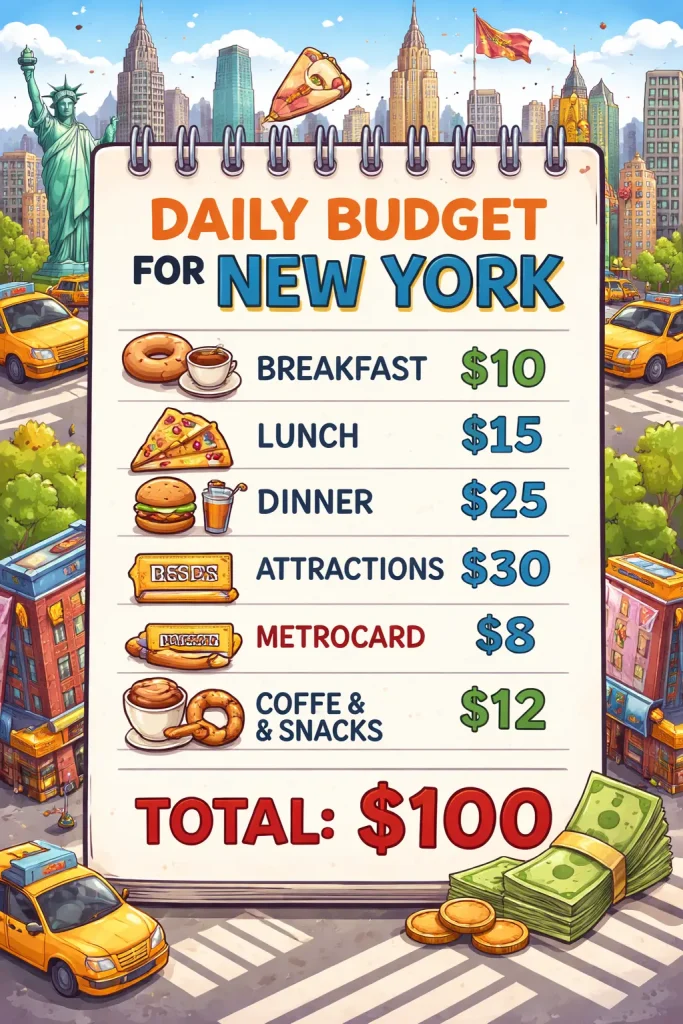
A daily budget in New York depends more on your travel style than on a fixed number. The main categories are accommodation, transportation, food, attractions, and small extras.
A very budget-focused traveler will usually save in all five areas. That often means staying outside the most expensive hotel zones, using the subway for almost everything, eating simple meals, and focusing on free or low-cost sights.
A mid-range traveler may still try to save money in smart ways while spending more on hotel location, a few paid attractions, and better meals.
Accommodation usually accounts for the largest share of the budget. After that, food and attractions tend to have the biggest impact. Transportation can stay manageable if you mostly use the subway, but it can rise quickly once airport transfers, taxis, and rideshares enter the mix.
The easiest way to build your own daily budget is by category. Start with your hotel. Add a daily transport plan, a food estimate, and only the attractions you truly want to pay for. That gives you a much more realistic budget trip to New York than relying on a generic city average.
Final tips for visiting NYC without overspending
A cheaper New York trip usually comes down to a series of good decisions rather than one big trick.
Pick a hotel with subway access, not just for the Neighborhood name. Plan your days by area instead of crossing the city again and again. Use free sights to balance out a few paid highlights. Keep meal costs reasonable by mixing simple food options with one or two meals you actually care about.
It also helps to leave a little room in the budget for small surprise costs. Even careful Travelers run into them in New York. That does not mean the plan failed. It just means the city makes it very easy to spend more than you meant to.
The good news is that budget travel in New York City is completely realistic. Stay in the right area, learn the subway basics, choose attractions carefully, and treat food spending as part of the plan. That is usually enough to enjoy NYC without overspending.
FAQs about budget travel in New York City
How much should I budget per day for New York City?
That depends mostly on your hotel, how many paid attractions you want to include, and how often you use taxis or rideshares. Accommodation usually makes the biggest difference.
Where should first-time visitors stay in NYC on a budget?
A practical choice is an area with good subway access and lower room rates than the busiest part of Midtown. Easy transport often matters more than being in the Center of the tourist map.
Is the subway the best option for tourists in NYC?
In most cases, yes. It is usually the most affordable and efficient way to get around during a normal sightseeing trip.
Are city passes worth it in New York City?
They can be, especially if you want to visit several major paid attractions in a short time. They are often less useful for slower trips built around free sights and flexible plans.
What are some cheap things to do in NYC?
Parks, bridge walks, waterfront areas, Neighborhood exploring, public viewpoints, and selected museums or cultural stops can all help keep costs down.
Can you visit New York on a tight budget?
Yes. Many Travelers do it by choosing a better-value hotel area, using the subway, keeping meals simple, and mixing free activities with a few paid attractions.

Silas Harlow
Silas Harlow is a travel writer and budget travel researcher at TravelBee Trips. He creates practical guides covering destinations, accommodation, transportation, attractions, safety, and affordable travel planning. His research uses official tourism resources, government websites, maps, and established service providers where available. Because travel information changes frequently, readers should verify important details before booking. View his complete author profile and editorial approach.
Pingback: Cheapest Areas in NYC: Where to Live and Stay on a Budget
Pingback: Parallel Parking in NYC: Rules, Tips and Cheap Parking Options - TravelBee Trips