When people searched for delta flight dl275 diverted lax, they wanted a clear answer without panic, rumors, or confusing aviation words.
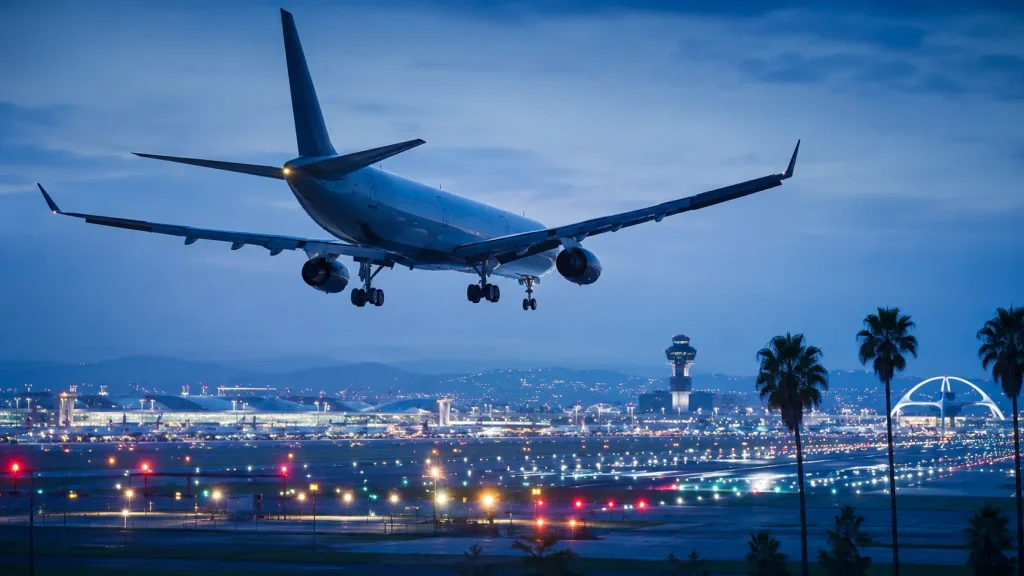
Delta Flight DL275 is listed as a Delta Air Lines service from Detroit Metropolitan Wayne County Airport to Tokyo Haneda Airport. Flight schedule listings show DL275 as a long international route, commonly operated with an Airbus A350-900.
In May 2025, this flight became widely discussed after it diverted to Los Angeles International Airport, known as LAX. Some online discussions and secondary reports connected the diversion to a possible engine anti-ice or de-icing issue. However, that technical detail should be treated carefully unless confirmed by Delta or an official aviation report.
So, the simplest safe explanation is this: Delta Flight DL275 appears to have diverted to LAX after a reported technical concern, and the crew chose a safer airport option instead of continuing across the Pacific.
That may sound serious, but a diversion does not always mean the aircraft was in immediate danger. In many cases, it means the pilots are making a careful safety decision before a small issue can become a bigger one.
Delta Flight DL275 Diverted LAX: Quick Facts
| Detail | Information |
|---|---|
| Flight | Delta Air Lines DL275 |
| Usual route | Detroit to Tokyo Haneda |
| Diversion airport | Los Angeles International Airport |
| Aircraft type | Airbus A350-900 on listed schedules |
| Reported concern | Possible anti-ice or de-icing system issue |
| Public outcome | Safe landing widely reported in online discussions |
| Important note | Some technical details are not fully confirmed publicly |
The key point is simple. DL275 did not continue directly to Tokyo. It changed course and landed at LAX.
For passengers, that likely meant delays, rebooking, missed plans, and long airport waits. But from a safety point of view, landing at a suitable airport is often the smarter choice when a technical issue appears during a long-haul flight.
Confirmed vs Reported Details
Not every claim about this incident should be treated the same. Some details are supported by flight schedule information. Others are based on online reports and passenger discussions.
| Claim | Status |
|---|---|
| DL275 is listed as a Delta flight from Detroit to Tokyo Haneda | Supported by flight schedule listings |
| The aircraft is listed as an Airbus A350-900 on schedules | Supported by flight schedule listings |
| The flight diverted to LAX | Widely reported and discussed |
| The issue involved engine anti-ice or de-icing equipment | Reported online, but not fully confirmed publicly |
| The passengers were safely landed | Widely discussed, but official incident details should be checked |
| The exact financial cost of the diversion | Not confirmed; avoid treating estimates as fact |
This section matters because many websites turn uncertain details into hard claims. That is bad writing and risky publishing.
A responsible article should clearly separate known information, reported information, and unconfirmed claims.
Timeline of the DL275 Diversion
The full official operational timeline has not been publicly released in a detailed technical report. Still, based on available public discussion and flight schedule context, the event can be explained in a simple way.
| Stage | What likely happened |
|---|---|
| Scheduled route | DL275 was operating as a Detroit-to-Tokyo Haneda flight |
| In-flight concern | The crew reportedly identified a technical issue |
| Decision point | Continuing across the Pacific may have reduced safe diversion options |
| Diversion | The aircraft was routed toward Los Angeles |
| Landing | The flight landed at LAX |
| Passenger handling | Travelers likely needed updates, rebooking, meals, hotels, or onward travel support |
The word “likely” is important here. Unless an airline or aviation authority releases a full report, no article should pretend to know every cockpit decision.
What Was the Reported Technical Issue?
The issue most often discussed online was connected to an anti-ice or de-icing system.
That sounds complicated, but the basic idea is easy.
Aircraft fly through very cold air. At high altitude, temperatures can be far below freezing. Planes are designed for this, but certain parts still need protection from ice.
An anti-ice system helps stop ice from building up around important aircraft areas. If the crew sees a warning related to that system, they take it seriously.
That does not automatically mean the aircraft is failing. It means the safety margin may have changed, and the crew must follow procedures.
What Is an Engine Anti-Ice System?
Think of a car windshield on a freezing morning.
If the glass fogs or freezes, the driver uses heat to clear it. An aircraft anti-ice system works with a similar purpose, but for important aircraft parts.
It helps protect areas where ice could affect airflow, engine performance, or aircraft systems.
On a short flight, pilots may have more nearby airport options. On a long Pacific route, the decision becomes more serious because nearby airports may be fewer once the aircraft moves deeper over the ocean.
That is why a crew may choose to divert early, even if the aircraft is still flying normally.
Why Did Delta Flight DL275 Divert to LAX?
Only Delta, the flight crew, and the maintenance team would know the full reason for choosing LAX. Still, there are practical reasons why Los Angeles may have been a sensible airport choice.
LAX Can Handle Large International Aircraft
Los Angeles International Airport is one of the major international airports in the United States. It has long runways, large-aircraft handling, international passenger facilities, ground staff, hotels nearby, and many onward flight options.
A diversion is not only about landing the plane.
The airline also needs to manage passengers, baggage, crew, maintenance checks, possible replacement parts, and rebooking.
LAX is better prepared for that than many smaller airports.
The Pacific Route Changes the Risk
Detroit to Tokyo is a long route. Once an aircraft continues deeper across the Pacific, diversion options can become more limited.
That matters.
If a technical warning appears before the aircraft is too far into the route, landing at a major airport may be safer than continuing for many more hours.
This is not panic. It is risk control.
Maintenance and Passenger Support Matter
A big aircraft, such as an Airbus A350, needs proper maintenance support. Passengers also need help after landing.
LAX likely offered stronger support for:
- Aircraft inspection
- Airline operations
- Crew management
- Rebooking
- Hotels and meals
- Baggage handling
- Alternative flight options
That is why “why LAX?” has a practical answer. It was probably not just about distance. It was also about support.
Was Delta Flight DL275 in Immediate Danger?

Publicly available information does not suggest an uncontrolled emergency.
That is an important difference.
A technical concern can be serious without meaning the aircraft is about to crash. Pilots are trained to respond to warnings, check procedures, speak with airline operations when needed, and choose the safest option.
In aviation, crews do not wait until a situation becomes dangerous. They act when a system warning reduces safety margins.
That is what passengers should want.
A diversion may feel scary, but it is often a sign that the safety system is working.
What Passengers May Have Experienced
For passengers, the diversion was still frustrating.
Even if the aircraft landed safely, people may have faced:
- Missed connecting flights
- Long airport waits
- Changed travel plans
- Hotel needs
- Meal problems
- Baggage confusion
- Tired children and families
- Extra transport costs
- Unclear updates
This is where many articles fail. They explain the plane but forget the passengers.
The real passenger question is not only “what happened?” It is also “What should I do now?”
What Passengers Should Do After a Flight Diversion
If your flight diverts, stay calm, but do not stay passive. Airlines may be helping hundreds of passengers at the same time.
You need to protect your own travel plan.
Check the Airline App
Open the Fly Delta app or your airline app first.
Look for:
- New flight time
- Rebooking option
- Updated gate
- Hotel or meal voucher notice
- Baggage update
- New connection details
- Customer service instructions
Delta says it may notify passengers about canceled or significantly delayed flights through email, text, phone call, or the Fly Delta app. Delta also says it may automatically rebook passengers where possible. Passengers can review Delta’s official guidance on the Delta’s delayed or canceled flight support page
Keep Screenshots and Receipts
Do not rely on memory.
Take screenshots of:
- Boarding pass
- Delay message
- Rebooking notice
- Flight status
- Baggage update
- Any written airline instruction
Also, keep receipts for:
- Food
- Hotel
- Taxi or rideshare
- Toiletries
- Medicine
- Clothing
- Extra baggage costs
If you later request reimbursement, proof matters more than complaints.
Ask About Hotel, Meal, and Transport Support
If a delay or cancellation is within the airline’s control, passengers may qualify for certain support.
Delta’s own guidance says that for a significant delay, misconnect, or cancellation within its control, it may be able to provide hotel accommodation, ground transportation, and meal vouchers, depending on availability and the situation.
The U.S. Department of Transportation also provides an Airline Customer Service Dashboard, where travelers can check airline commitments during controllable delays and cancellations.
Do not assume the airline will automatically hand you everything. Ask clearly and politely.
Confirm Your New Flight in Writing
If an agent rebooks you, check that the new flight appears in your app or email.
Make sure you know:
- New flight number
- Departure time
- Arrival time
- Seat assignment
- Connection details
- Baggage status
A spoken promise at a crowded airport counter is not enough. Get the update in writing or inside the app.
Know When Refund Rules May Apply
A diversion does not automatically mean you get a refund. That is a common mistake.
The U.S. Department of Transportation says passengers may be entitled to a refund if an airline cancels or significantly delays a flight and the passenger chooses not to travel or accept the airline’s alternative transportation, credits, vouchers, or other compensation.
For significant changes, DOT guidance includes international flights that depart six or more hours earlier or arrive six or more hours later than scheduled.
So, the basic rule is this: if you accept the rebooked flight and travel, your refund rights may be different from a passenger who refuses the new option and chooses not to travel.
U.S. DOT refund guidance for airline passengers.
How to Prepare Before a Long International Flight
Long international flights can change quickly. You cannot control aircraft systems, weather, or airline operations. But you can prepare better.
Before a long trip, keep these items in your carry-on:
- Passport
- Visa or entry documents
- Medicine
- Phone charger
- Power bank
- One change of clothes
- Basic toiletries
- Snacks
- Travel insurance details
- Hotel booking details
- Important phone numbers
Do not put every important item in checked baggage. If your flight diverts and your bag is delayed, you will still have your essentials.
For families and budget travelers, planning matters even more. A smart plan can reduce stress and save money during delays. You can also read our guide on Budget Travel Planning and activities for simple travel preparation tips.
Why Diversions Are Part of Safe Flying
Many passengers hear the word “diversion” and think something terrible happened.
That is not always true.
A diversion often means the crew found a reason to change the plan before the situation became more difficult. That is how modern aviation safety works.
Safe flying does not mean every flight is perfect. It means pilots, aircraft systems, maintenance teams, and airline operations work together to reduce risk.
If something needs attention, the aircraft lands at the nearest location where support is available.
That may ruin a schedule, but it protects people.
What Not to Claim Without Proof
This part is important for readers and publishers.
Do not believe or repeat dramatic claims unless they come from reliable sources.
Be careful with statements like:
- “The plane almost crashed.”
- “Delta hid the truth.”
- “The engine failed.”
- “Passengers were in extreme danger.”
- “The airline was negligent.”
- “The diversion cost millions.”
- “AI could have prevented the issue.”
These claims may attract clicks, but they can damage trust. Some may also create legal problems if unsupported by evidence.
A safer and better article should say:
- “reported technical concern.”
- “possible anti-ice issue”
- “publicly available information suggests.”
- “not fully confirmed publicly.”
- “The crew made a safety-based diversion.”
That language is not weak. It is accurate.
What This Incident Teaches Travelers

The delta flight dl275 diverted lax story gives travelers a useful lesson.
Flight diversions are inconvenient, but they are not automatically a sign of disaster. They are often a careful decision made to protect safety margins.
For passengers, the best response is practical:
- Stay calm
- Check the airline app
- Save all receipts
- Ask about vouchers
- Confirm rebooking
- Keep essential items in carry-on
- Know your refund options
- Avoid spreading unconfirmed claims
That is how travelers stay prepared without falling into panic.
Final Thoughts
The delta flight dl275 diverted lax incident should not be treated as proof of danger, negligence, or airline failure.
Based on publicly available information, DL275 was a Detroit-to-Tokyo Haneda flight that diverted to LAX after a reported technical concern. The most repeated explanation involved a possible anti-ice or de-icing issue, but that detail should be described as reported unless confirmed by an official source.
For passengers, the diversion was likely stressful. For safety, however, landing at a suitable airport before continuing across a long oceanic route was a careful decision.
The lesson is simple: a diversion can be annoying, expensive, and exhausting, but it can also be the safest choice.
FAQs About Delta Flight DL275 Diverted to LAX
Why was Delta Flight DL275 diverted to LAX?
Delta Flight DL275 was reportedly diverted to LAX after a suspected technical concern. Online discussions pointed to a possible anti-ice or de-icing issue, but that technical detail has not been fully confirmed publicly.
What was the route of Delta Flight DL275?
Flight schedule listings show DL275 as a Delta Air Lines flight from Detroit Metropolitan Wayne County Airport to Tokyo Haneda Airport.
Was Delta Flight DL275 in danger?
Public information does not suggest an uncontrolled emergency. The diversion appears to have been a safety-based decision after a reported technical concern.
What is an anti-ice issue on an aircraft?
An anti-ice issue means there may be a problem with a system that helps stop ice from forming on important aircraft areas. Pilots treat these warnings seriously, especially on long international flights.
Can passengers get compensation after a diverted flight?
It depends on the cause of the disruption, the length of the delay, airline policy, and whether the passenger accepts rebooking. Delta and DOT guidance both explain that passenger options vary by situation.
What should passengers do after a flight diversion?
Passengers should check the airline app, save screenshots, keep receipts, ask about hotel or meal support, confirm rebooking in writing, and review travel insurance or credit card benefits.