Boston is not the cheapest city in the United States. Hotels can be expensive, restaurants in tourist-heavy areas add up fast, and parking can hurt your budget if you arrive without a plan.
But Boston also has one big advantage for budget travelers: many of its best experiences are walkable, historic, and free or low-cost.
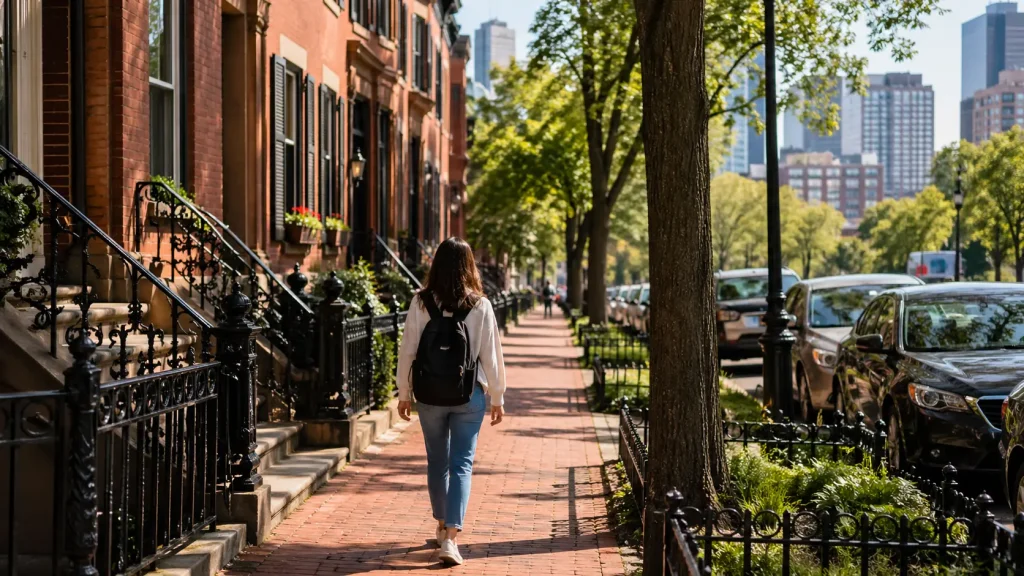
You can follow parts of the Freedom Trail, relax in Boston Common, explore Cambridge, walk along the waterfront, use public transportation, and eat well without turning the trip into a money drain. The key is knowing where to spend, where to save, and how to avoid the common mistakes that make Boston feel more expensive than it needs to be.
Boston can be expensive, especially for accommodation and dining, but smart travelers can reduce costs with the right approach. These same strategies work throughout America’s most expensive cities, as explained in our guide to saving money in expensive US cities.
Quick Boston Budget Travel Summary
| Budget Area | Best Money-Saving Move |
|---|---|
| Transportation | Use the MBTA and walk when possible |
| Hotels | Stay near public transit, not always Downtown |
| Food | Mix bakeries, markets, casual meals, and one planned splurge |
| Attractions | Start with free parks, historic walks, libraries, and waterfront areas |
| Airport transfer | Use public transit from Logan Airport when it fits your route |
| Best travel style | Walkable itinerary with 1–2 paid experiences max |
Is Boston Expensive for Budget Travelers?
Boston can be expensive, especially if you book at the wrong time or stay in the most central hotel areas. The highest costs are usually accommodation, food, paid attractions, parking, and rideshares.
Still, Boston is easier to manage on a budget than many travelers expect. The city is compact, full of public spaces, and rich in history. A visitor can build an excellent day around walking routes, historic neighborhoods, free parks, and low-cost food stops.
The mistake is treating Boston like a city where every experience needs a ticket. It does not.
Why Boston Costs More Than Some U.S. Cities
Boston has strong demand from tourists, business travelers, students, universities, sports fans, and conference visitors. That demand pushes up hotel prices, especially around Downtown, Back Bay, Beacon Hill, Seaport, and waterfront areas.
Food can also become expensive if every meal is near a major attraction. Restaurants around Seaport, waterfront areas, and busy tourist zones often cost more than simple neighborhood spots.
Parking is another problem. If your trip is city-focused, renting a car usually makes the trip more expensive and more stressful.
Where Budget Travelers Can Actually Save Money
Budget travelers can save in Boston by using what the city already does well:
- Walkable historic areas
- Free parks and public spaces
- Self-guided walking routes
- Public transportation
- College neighborhoods
- Casual food spots
- Free indoor stops like libraries
- Waterfront walks and skyline views
This is the same strategy that works in other expensive destinations, including San Francisco on a Budget and Budget Travel in Washington, D.C.: spend only where it improves the trip, and use free city experiences to carry the rest.
Best Time to Visit Boston on a Budget
Timing matters a lot in Boston. A hotel that feels affordable in one month can become expensive during a busy event week.
Cheapest Months to Visit Boston
The best value is usually outside peak summer and peak fall travel periods. Late winter, early spring, and late fall often give budget travelers a better chance of finding lower hotel rates.
The trade-off is weather. Winter can be cold, and early spring can still feel chilly. But if your priority is saving money, these off-peak periods can be worth considering.
When Boston Gets More Expensive
Boston often gets more expensive during:
- Summer vacation season
- Fall foliage season
- Graduation periods
- Major sports weekends
- Conferences and large events
- Holiday weekends
Fall is beautiful in New England, but it is not always cheap. If you want a budget Boston weekend trip, do not assume October will be affordable just because summer is over.
Budget Tip: Book Around Events, Not During Them
Before booking, check hotel prices across several dates. A one-day or two-day shift can sometimes make a big difference.
Also, compare weekday and weekend rates. In some cases, arriving on Sunday or Monday can be cheaper than arriving Friday night.
Where to Stay in Boston on a Budget
Accommodation is usually the hardest part of budget travel in Boston. The cheapest hotel is not always the best deal if it is far from public transportation or forces you to spend more on rideshares.
Best Budget-Friendly Areas Near Boston
The best budget hotel strategy is simple: stay near an MBTA station.
You do not always need to stay in the exact center of Boston. You need easy access to the places you want to visit.
Good areas to compare include:
Cambridge
Cambridge is useful for Harvard, MIT, bookstores, cafes, casual food, and easy transit connections. It gives you a different side of the Boston area and works well for travelers who like student-friendly neighborhoods.
Somerville
Somerville can offer better value than central Boston while still keeping you close to the city. It is a good area to compare if you want access to restaurants, neighborhoods, and transit.
Brookline
Brookline is quieter and can work well if you want a calmer base with public transportation access. It is not always cheap, but it can offer better value than the most tourist-heavy hotel zones.
Fenway Area
Fenway can be useful for museums, parks, food, and sports atmosphere. Check game schedules, though, because nearby prices may rise during a major event.
Airport-Adjacent Hotels
Airport-area hotels can work for short stays or late arrivals. Just check the transit route before booking. A cheaper hotel near the airport is only useful if getting into the city is still simple.
Areas That Are Convenient but Usually Pricier
Downtown Boston, Back Bay, Beacon Hill, Seaport, and waterfront areas are convenient but often expensive. They are great if you find a deal, but they should not be your only options.
Seaport is especially tricky for budget travelers. It has modern hotels, restaurants, and waterfront views, but it is usually not the cheapest base.
Hotel Booking Checklist for Budget Travelers
Before booking a Boston hotel, check:
| Question | Why It Matters |
|---|---|
| Is it near an MBTA station? | Saves money on rideshares |
| Is breakfast included? | Can reduce daily food costs |
| Are there parking fees? | Important if arriving by car |
| How far is it from Downtown? | Cheap is not useful if transit is difficult |
| Are rates higher on weekends? | Date flexibility can save money |
| Is it refundable? | Useful if prices drop later |
A similar rule applies in Budget Travel in Chicago: staying near reliable public transportation is often smarter than paying extra to sleep in the most obvious tourist area.
How to Get Around Boston Without Spending Too Much
Transportation is one of the easiest places to save money in Boston.

Use the MBTA Instead of Renting a Car
The MBTA, often called “The T,” is the main public transportation system in Boston. It includes subway lines, buses, commuter rail, and airport connections.
As a planning baseline, listed MBTA fares include about $2.40 for a one-way subway ride and $1.70 for a one-way local bus ride. Always check current fares before your trip because transit pricing can change.
For most visitors, the MBTA is cheaper and easier than renting a car, paying for parking, or relying on rideshares all day.
Check current MBTA fares and passes before your trip so you can compare single rides, day passes, and transit options.
Walk When the Route Makes Sense
Boston is one of the better U.S. cities for walking. Many major visitor areas are close enough to combine into one route.
Good walkable pairings include:
- Boston Common + Public Garden + Beacon Hill
- Freedom Trail + Downtown + North End
- Harvard Square + Cambridge cafes + bookstore stops
- Seaport views + Harborwalk
- Fenway + parks + casual food stops
A strong budget day in Boston usually includes walking, one or two transit rides, and maybe one paid attraction.
Avoid Parking Costs in Central Boston
Parking in central Boston can be expensive and frustrating. If your trip is focused on the city, skip the rental car.
A car only makes sense if you are planning day trips outside Boston or continuing into other parts of Massachusetts or New England.
Use Public Transit From Logan Airport When Possible
Boston Logan Airport has public transportation connections that can help budget travelers save immediately after landing.
Massport says the MBTA Silver Line SL1 connects Boston Logan terminals with South Station, and the ride from the airport to South Station is free for travelers.
That can be a major win compared with paying for a rideshare right away. It is especially useful if your hotel is near South Station, Downtown, or another MBTA connection.
Free and Cheap Things to Do in Boston
Boston is expensive in some ways, but its free attractions are genuinely strong. You can build a full weekend around parks, historic walks, campuses, libraries, and waterfront views.
| Free or Cheap Activity | Best For | Budget Tip |
|---|---|---|
| Freedom Trail | History, walking, first-time visitors | Walk it self-guided |
| Boston Common | Parks, photos, families | Pair with Public Garden |
| Public Garden | Relaxed sightseeing | Great free scenic stop |
| Boston Public Library | Architecture, rainy days | Free indoor activity |
| Harvard Square | Students, cafes, bookstores | Explore without a fixed plan |
| Boston Harborwalk | Waterfront views | Go for views, eat elsewhere |
| North End walk | Food and atmosphere | Try a bakery instead of a full dinner |
Walk the Freedom Trail
The Freedom Trail is one of the best budget-friendly things to do in Boston. It connects major historic sites through Downtown, the North End, and Charlestown. The National Park Service describes it as a red-brick route through some of Boston’s oldest areas and significant historic sites.
Before you go, check the Freedom Trail official sites to choose the stops that fit your time and walking route.
You can pay for a guided tour, but budget travelers can also enjoy it as a self-guided walk. Start around Boston Common and choose the stops that interest you most.
The official Freedom Trail site lists major trail sites such as Boston Common, Massachusetts State House, Granary Burying Ground, Old South Meeting House, Old State House, Faneuil Hall, Paul Revere House, Old North Church, and Bunker Hill Monument.
Visit Boston Common and the Public Garden
Boston Common is one of the best free stops in the city. Boston.gov describes it as America’s oldest park, founded in 1634.
Next to it, the Public Garden offers a more scenic and relaxed setting with paths, flowers, monuments, and a peaceful break from busy streets. Boston.gov notes that the Public Garden was America’s first public botanical garden.
Together, Boston Common and the Public Garden are perfect for budget travelers because they cost nothing but still feel like essential Boston experiences.
Explore the Boston Public Library
The Boston Public Library is a strong free indoor stop, especially on a cold or rainy day. It gives your itinerary a break without forcing you to buy another ticket.
It is also useful if you want architecture, a quiet space, and a slower travel moment.
Walk Around Harvard and Cambridge
Cambridge is great for budget travelers because you can explore without needing a paid attraction.
Walk around Harvard Square, browse bookstores, visit campus areas, grab coffee, or find casual food nearby. The area feels lively and student-friendly, which often makes it easier to find lower-cost food than in polished tourist zones.
This is also a natural place to link readers to Free Things to Do in Expensive U.S. Cities because college neighborhoods often provide free or low-cost experiences in high-cost cities.
Enjoy Boston Harborwalk and Waterfront Views
The Boston Harborwalk is a great free option for travelers who want skyline views, water views, and a break from historic streets.
The waterfront can become expensive if you sit down for a full meal in a prime location. A better budget move is to walk the area for the views, then eat somewhere more affordable.
Cheap Eats in Boston: How to Save on Food
Food can quietly destroy a Boston budget. A coffee, a tourist-area lunch, a snack, and a dinner near the waterfront can add up fast.
The goal is not to avoid good food. The goal is to be selective.
Eat Around Student-Friendly Neighborhoods
Areas near universities often have more casual food choices. Cambridge, Allston, and Fenway can be useful for cheaper meals compared with polished tourist zones.
Look for:
- Pizza slices
- Sandwich shops
- Casual Asian food
- Bakeries
- Food trucks
- Simple cafes
- Student-friendly lunch spots
You do not need every meal to be a sit-down restaurant.
Try Markets, Bakeries, and Casual Food Halls
Boston has several food options that work better for budget travelers than formal restaurants.
Good budget food ideas include:
- North End bakeries
- Boston Public Market
- Quincy Market for browsing and quick bites
- Cambridge cafes
- Fenway casual food
- Sandwich shops near transit stops
- Grocery snacks for breakfast or late-night food
The North End is famous for Italian food and bakeries. You can spend a lot there, but you can also enjoy the neighborhood with a pastry, coffee, or quick bite instead of a full dinner.
Avoid Eating Every Meal in Tourist Zones
Restaurants near major attractions, waterfront areas, and Seaport can cost more. That does not mean you should avoid them completely, but do not make them your default.
A smart plan is to choose one meal you care about and keep the rest simple.
Easy Food Budget Example
| Meal | Budget-Friendly Idea | Estimated Planning Range |
|---|---|---|
| Breakfast | Bakery, cafe, grocery, snacks | $5–$12 |
| Lunch | Sandwich, pizza slice, casual bowl | $10–$18 |
| Snack | Pastry, coffee, market bite | $5–$10 |
| Dinner | Casual restaurant or shared meal | $15–$30 |
Prices vary by season and location, but this gives you a realistic planning range. Eating every meal in Seaport or waterfront areas will usually push your budget higher.
Boston Travel Costs: Sample Budget Breakdown
Your exact Boston travel cost depends on your travel dates, hotel choice, and eating style. But here is a practical way to think about it.
Low-Budget Day in Boston
| Category | Example |
|---|---|
| Breakfast | Grocery, snack, or bakery |
| Transportation | MBTA rides + walking |
| Activities | Freedom Trail, Boston Common, Public Garden |
| Lunch | Casual sandwich, pizza, or market food |
| Dinner | Simple restaurant or casual takeout |
| Paid attractions | None or one low-cost stop |
A low-budget Boston day works best when you plan a walkable route and avoid unnecessary rideshares.
Mid-Range Budget Day in Boston
| Category | Example |
|---|---|
| Breakfast | Cafe or hotel breakfast |
| Transportation | MBTA + limited rideshare if needed |
| Activities | Free walking route + one paid museum or tour |
| Lunch | Casual restaurant |
| Dinner | One planned sit-down meal |
| Extra spending | Coffee, dessert, small souvenir |
This is the sweet spot for many visitors. You still enjoy the city, but you do not overspend on every part of the day.
Family Budget Day in Boston
Families should focus on easy routes, parks, flexible food, and free stops. Boston Common, Public Garden, the waterfront, libraries, and self-guided walking routes can keep kids engaged without stacking up ticket costs.
The biggest family budget decision is hotel location. A cheaper hotel far from transit can become stressful and expensive if everyone is tired.
Budget Boston Itinerary Ideas
A smart itinerary helps you avoid random spending. When your day has a route, you are less likely to waste money on rideshares, overpriced snacks, or filler attractions.
One-Day Boston Budget Itinerary
Start at Boston Common and the Public Garden. Walk toward Beacon Hill or follow part of the Freedom Trail through Downtown. Continue toward the North End for a bakery stop or casual lunch. End with a walk near the waterfront or Harborwalk.
This gives you parks, history, food, and views with very little required spending.
Two-Day Boston Budget Itinerary
Day 1: Focus on historic Boston. Visit Boston Common, Public Garden, Beacon Hill, Downtown, the Freedom Trail, and the North End.
Day 2: Visit Cambridge and Harvard Square. Walk campus areas, explore bookstores and cafes, then return to Boston for the waterfront or Fenway area.
This is a good balance for first-time visitors who want more than just the obvious tourist route.
Three-Day Boston Budget Itinerary
With three days, slow down and add Fenway, the Boston Public Library, museum options, more neighborhood walks, and one paid experience.
Do not overbook. Boston is better when you leave time for wandering.
For a wider East Coast route, connect this trip with Budget Travel in Washington, D.C., because both cities reward travelers who enjoy history, walking, public spaces, and free attractions.
Best Boston Neighborhoods for Budget Travelers
Boston’s neighborhoods are part of the experience. Budget travelers should use them strategically instead of only chasing famous attractions.
Downtown Boston
Downtown is convenient for history, transit, and major landmarks. Hotels may be expensive, but the area is excellent for walking.
Even if you stay elsewhere, you will probably spend time here.
North End
The North End is one of the most enjoyable areas to walk in Boston. It has narrow streets, historic sites, bakeries, Italian restaurants, and easy access to parts of the Freedom Trail.
You can spend a lot here, but you do not have to. A bakery stop and a walk can be enough.
Cambridge
Cambridge works well for budget travelers because it feels active without being only tourist-focused. Harvard Square, MIT areas, bookstores, coffee shops, and casual restaurants make it a strong low-cost area to explore.
Fenway
Fenway can be fun even if you are not attending a game. The area has food, museums, students, parks, and a sports atmosphere.
Check the game schedule before planning meals or accommodation nearby because event days can raise prices.
Seaport
Seaport is modern, scenic, and good for waterfront views, but it is usually not the first choice for budget accommodation.
Visit for the walk and the views. Be careful with hotels and restaurants if your budget is tight.
Smart Ways to Save Money in Boston
Boston does not require extreme budgeting. It rewards smart planning.
Choose Free Attractions Before Paid Ones
Start your trip with free experiences:
- Boston Common
- Public Garden
- Freedom Trail
- Boston Public Library
- Harvard Square
- Harborwalk
- Beacon Hill walks
- Waterfront views
Then decide which paid attractions are worth it.
Check Museum Free Days and Discounts
Some museums and attractions may offer free days, student discounts, library passes, or special pricing. Do not buy an attraction pass just because it sounds like a deal.
A pass only saves money if it matches the places you already planned to visit.
Wear Comfortable Shoes
This sounds basic, but it matters in Boston. The city is walkable, and walking is one of the easiest ways to save money.
If your feet hurt by noon, you will start paying for convenience.
Build Your Day Around One Area
Do not bounce from Cambridge to Seaport to Fenway to the North End in one day unless you have a clear plan. That creates extra transit time and more temptation to use rideshares.
A better budget strategy is to group nearby places.
Common Budget Travel Mistakes to Avoid in Boston
Even smart travelers can overspend in Boston. These are the big mistakes to avoid.
Staying Far Away Just to Save on Hotel Price
A cheap hotel is not always cheap overall. If it adds long commutes, extra rideshares, or daily stress, it may not be worth it.
Choose value, not just the lowest nightly price.
Renting a Car for a City-Focused Trip
Unless you are taking day trips outside Boston, a rental car is usually unnecessary. Parking costs, traffic, and confusing streets can make the trip harder.
Use public transit and walk instead.
Paying for Too Many Attractions in One Day
Boston has enough free and low-cost experiences to fill your day. Do not feel pressured to buy tickets for everything.
One good paid experience is better than three rushed ones.
Eating Every Meal Near Attractions
Food near tourist-heavy areas often costs more. Mix in casual neighborhoods, markets, bakeries, and simple meals.
Ignoring Weather
Boston weather can change your plans. Winter can be cold, summer can be busy, and rainy days need backup options.
Keep indoor stops like the Boston Public Library or museums in your plan.
Who Is Budget Travel in Boston Best For?
Boston is a strong budget destination for several types of travelers.
First-Time Visitors
First-time visitors can see many classic Boston landmarks without spending heavily. The city’s history, parks, and walkable layout make it easy to enjoy.
Students and Young Travelers
Students and younger travelers can get a lot from Boston because of college neighborhoods, bookstores, casual food, public transit, and free walking routes.
Families
Families can enjoy Boston without buying tickets all day. Parks, libraries, waterfront walks, historic areas, and public spaces make it easier to plan lower-cost days.
Weekend Travelers
Boston works well for a weekend because the city is compact. With two or three focused days, you can see a lot without renting a car.
If you are comparing city trips, this article fits naturally beside Budget Travel in Chicago and San Francisco on a Budget because all three cities require smart choices around hotels, transit, and food.
Final Tips for Visiting Boston Without Overspending
The best budget travel strategy in Boston is simple: walk more, use public transportation, stay near transit, eat selectively, and spend only where it improves the trip.
Do not try to do everything. Boston is not a checklist city. It is better when you move through neighborhoods, follow historic routes, enjoy public spaces, and leave room for small discoveries.
Spend money on one or two things that actually matter to you. That might be a museum, a guided tour, a special meal, or a game. Then balance that spending with free parks, walking routes, waterfront views, and casual food.
Boston may not be the cheapest city in America, but with the right plan, it can be one of the most rewarding budget city trips. For more ideas, check your main guide to budget travel in expensive U.S. cities and your guide to Free Things to Do in Expensive U.S. Cities.
FAQs About Budget Travel in Boston
Can you visit Boston on a budget?
Yes, you can visit Boston on a budget if you focus on walking, public transportation, free attractions, casual food, and smart hotel locations. Boston can be expensive, but many of its best experiences are free or low-cost.
What are the best free things to do in Boston?
The best free things to do in Boston include walking part of the Freedom Trail, visiting Boston Common, exploring the Public Garden, walking around Harvard Square, visiting the Boston Public Library, and enjoying views along the Harborwalk.
Is Boston walkable for tourists?
Yes, Boston is very walkable for tourists, especially around Downtown, Beacon Hill, North End, Boston Common, Public Garden, and parts of the waterfront. Walking is one of the best ways to save money in the city.
How many days do you need in Boston on a budget?
Two to three days is ideal for a budget Boston trip. One day can cover major highlights, but two or three days allow time for Cambridge, the waterfront, neighborhoods, and slower exploring.
Is public transportation good in Boston?
Yes, public transportation in Boston is useful for visitors. The MBTA connects many major areas and can help travelers avoid car rental, parking, and rideshare costs.
Where should budget travelers stay in Boston?
Budget travelers should look for places near MBTA stations. Cambridge, Somerville, Brookline, Fenway edge areas, and some airport-adjacent hotels may offer better value than staying directly in Downtown, Back Bay, or Seaport.
What is the cheapest way to get around Boston?
The cheapest way to get around Boston is usually a mix of walking and MBTA public transportation. Avoid renting a car unless you plan to leave the city for day trips.
Is Boston cheaper than New York City?
Boston is not always cheap, but it can be easier to manage on a short trip because many major attractions are walkable and several historic sites are free or low-cost. New York City may offer more hotel variety, but Boston can be very efficient for a two- or three-day budget trip.
What should I avoid on a budget trip to Boston?
Avoid renting a car for a city-only trip, staying far from transit just to save on hotel price, eating every meal in tourist zones, and paying for too many attractions in one day.
Is Boston good for a weekend budget trip?
Yes, Boston is good for a weekend budget trip because the city is compact, walkable, and full of free or low-cost things to do. A smart two-day route can cover parks, historic sites, Cambridge, food stops, and waterfront views without overspending.

Silas Harlow
Silas Harlow is a travel writer and budget travel researcher at TravelBee Trips. He creates practical guides covering destinations, accommodation, transportation, attractions, safety, and affordable travel planning. His research uses official tourism resources, government websites, maps, and established service providers where available. Because travel information changes frequently, readers should verify important details before booking. View his complete author profile and editorial approach.