New York State Parks are some of the best places to enjoy nature, outdoor activities, and peaceful escapes. From waterfall trails in the Hudson Valley to beaches on Long Island and scenic areas near the Finger Lakes, these parks offer something for every type of visitor.
However, before planning a trip, it is important to understand the New York State Parks Rules. These rules help protect natural areas, keep visitors safe, and make sure everyone can enjoy the parks.
Whether you are going hiking, camping, swimming, or spending a family day outdoors, knowing the basic rules will help you have a better experience.
If you are searching for the best places to visit, start with our complete New York State Parks guide to discover popular parks, activities, and travel ideas.
Why Do New York State Parks Have Rules?
Park rules are created to protect nature, wildlife, and visitors. Millions of people visit New York State Parks every year, so simple guidelines help keep these areas clean and safe.
Without proper rules, trails can become damaged, wildlife can be disturbed, and natural landscapes can lose their beauty.
Protecting Nature and Wildlife
New York parks contain forests, lakes, rivers, beaches, and many unique ecosystems. Visitors should avoid damaging plants, removing natural objects, or disturbing animals.
Small actions, such as staying on marked trails and carrying out your trash, help protect these places for future visitors.
Keeping Visitors Safe
Many rules are designed for visitor safety. Swimming areas, hiking trails, camping grounds, and parking areas all have specific instructions to prevent accidents.
Following these Park Guidelines allows families, hikers, and travelers to enjoy parks comfortably.
Preserving Parks for Future Generations
State parks belong to everyone. Responsible visitors help make sure future generations can enjoy New York’s natural beauty.
General New York State Parks Rules Every Visitor Should Know
Before entering any park, visitors should understand some basic rules that apply in most locations.
Stay on Marked Trails and Designated Areas
Walking outside marked trails can damage plants and soil. It can also create unsafe paths for other visitors.
Always follow official routes when hiking or exploring.
If you enjoy outdoor adventures, our guide to hiking in New York State Parks explains how to prepare for safe and enjoyable trail experiences.
Do Not Damage Plants, Trees, or Natural Features
Visitors should never carve into trees, remove flowers, or take rocks, shells, or other natural items from parks.
Nature takes years to develop, and protecting it keeps parks beautiful.
Follow Posted Signs and Instructions
Signs inside parks provide important information about:
- Trail conditions
- Closed areas
- Swimming restrictions
- Wildlife warnings
- Safety instructions
Rules can change depending on weather, seasons, and park conditions, so always pay attention.
Keep Parks Clean
One of the simplest rules is leaving the park cleaner than you found it.
Visitors should:
- Throw away trash properly
- Avoid leaving food waste
- Use recycling areas when available
- Carry out items when required
Clean parks create a better experience for everyone.
NY Park Regulations for Pets and Animals
Many visitors enjoy bringing their dogs to parks. However, pet owners must follow specific NY Park Regulations.
Where Pets Are Allowed in New York State Parks
Pet rules are different from park to park. Some areas allow pets, while others may restrict them near beaches, playgrounds, pools, or buildings.
Always check the rules before visiting with your pet.
Leash Requirements and Pet Safety
When pets are allowed, they should remain under control and follow leash requirements.
Owners should also make sure pets do not disturb other visitors or wildlife.
Cleaning Up After Your Pet
Pet owners must clean up after their animals.
Leaving pet waste behind can create health problems and affect the natural environment.
Camping Rules and Park Guidelines for Overnight Visitors
Camping is one of the best ways to experience New York’s outdoors. From Adirondack forests to lakeside campsites, visitors can enjoy peaceful nights surrounded by nature.
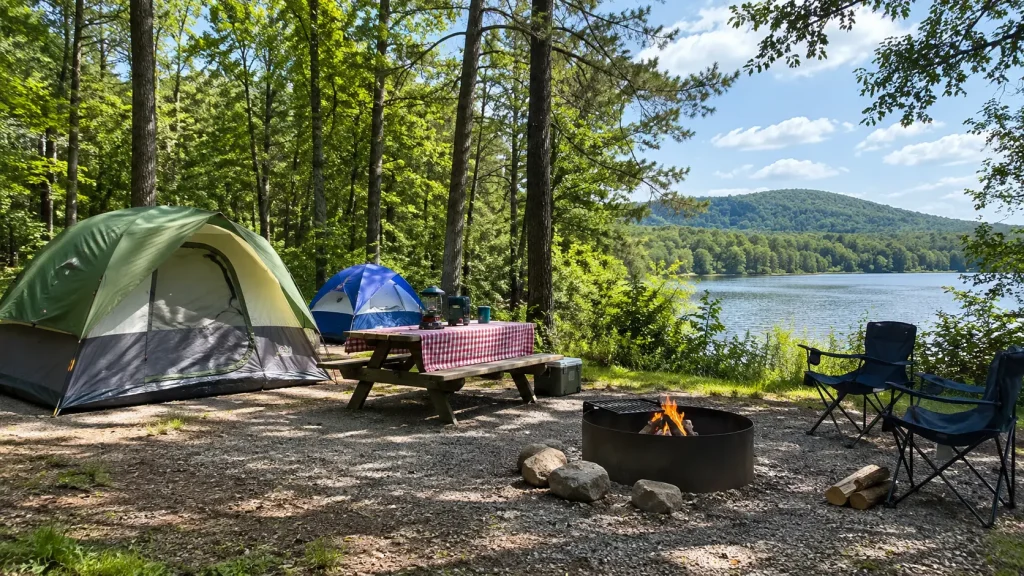
If you plan overnight stays, our New York State Parks camping guide explains reservations, campsites, and important tips.
Campsite Reservations and Check-In Rules
Many popular campsites require reservations, especially during summer and holiday weekends. Visitors can check availability and camping details through the New York State Parks camping reservation system before planning their trip.
Visitors should stay in their assigned camping areas and follow check-in instructions.
Fire Safety and Campfire Rules
Campfires are part of the camping experience, but they must be handled carefully.
Visitors should:
- Use only approved fire areas
- Never leave fires unattended
- Fully put out fires before leaving
Fire restrictions may change during dry weather conditions.
Quiet Hours and Visitor Behavior
Camping areas are shared spaces. Loud music, shouting, and disruptive behavior can affect nearby campers.
Respect quiet hours and allow others to enjoy nature.
Keep Your Campsite Clean
Before leaving, remove all trash and personal belongings.
A clean campsite protects wildlife and makes the area enjoyable for the next visitor.
Swimming, Beaches, and Water Activity Rules
New York has many beautiful swimming areas, including parks near lakes, rivers, and coastal beaches.
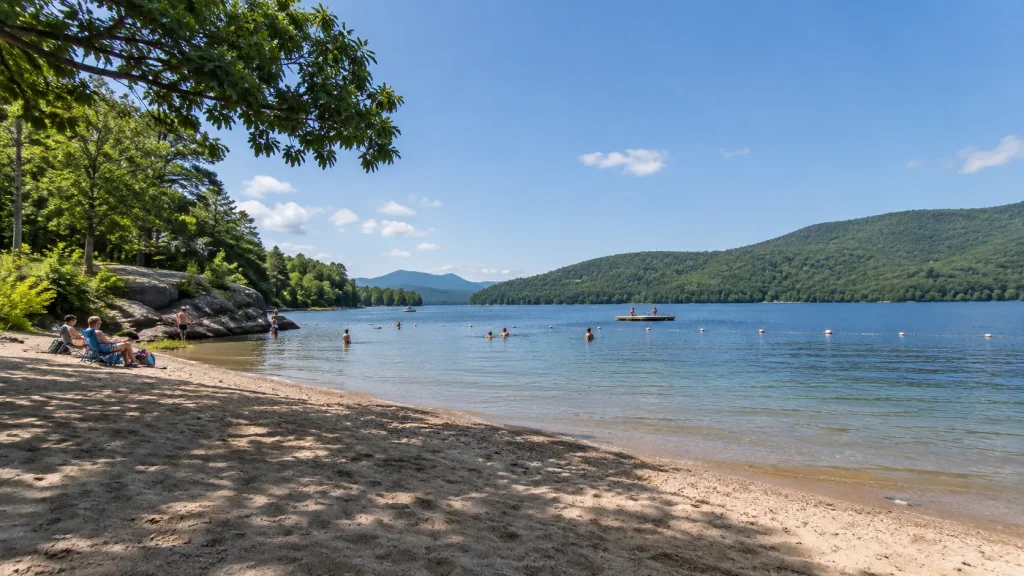
Swim Only in Approved Areas
Visitors should only swim in designated swimming locations.
Some areas may not have lifeguards, and water conditions can change quickly.
Follow Lifeguard Instructions
Lifeguards and park staff provide safety instructions for visitors.
Always follow their guidance, especially during crowded times or changing weather conditions.
Respect Beach Areas
If you are planning a beach trip, explore our guide to New York State Parks with beaches for ideas and planning tips.
Keep beaches clean and avoid disturbing wildlife. Some rules change by season, so check the best time to visit New York State Parks to plan better.
Hiking Rules in New York State Parks
Hiking is one of the most popular activities in New York State Parks. From mountain trails to waterfall walks, visitors have many options.
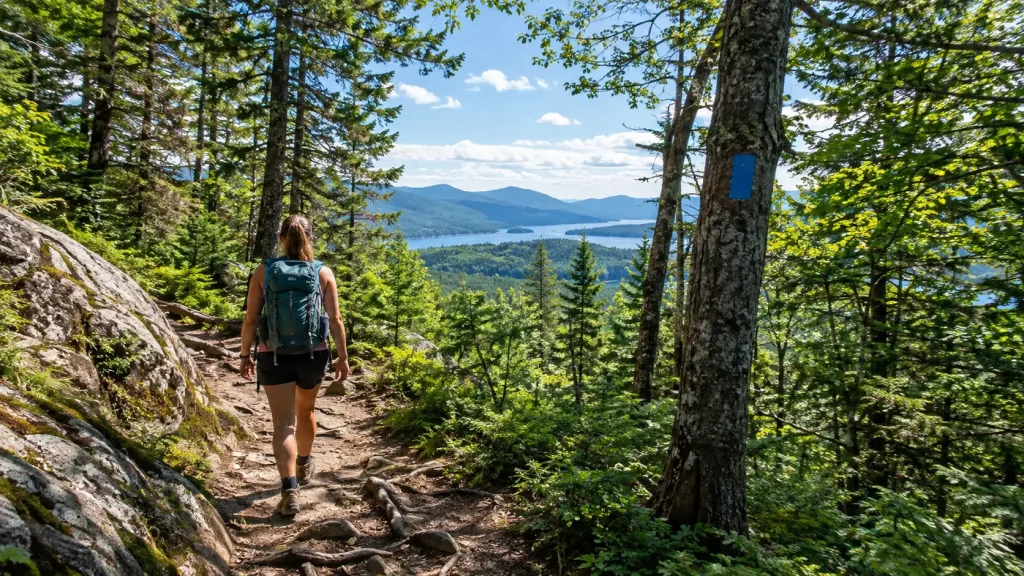
Respect Other Hikers
Many trails are shared by hikers, runners, and families.
Allow others to pass and avoid blocking narrow paths.
Prepare Before Your Hike
Before starting a trail:
- Check weather conditions
- Carry enough water
- Wear comfortable shoes
- Bring basic supplies
- Tell someone about your plans
Do Not Create New Trails
Shortcuts may seem harmless, but they damage plants and increase soil erosion.
Always stay on official hiking routes.
Are Drones Allowed in New York State Parks?
Drone rules can vary depending on the park.
Check Before Flying
Some locations may require permission before using drones.
Visitors should check current park requirements before bringing drone equipment.
Respect Other Visitors
Even where drones are allowed, operators should avoid disturbing other visitors and respect privacy.
Food, Alcohol, Smoking, and Waste Rules
Visitors often bring meals and snacks, but certain restrictions apply.
Picnic and Food Guidelines
Use designated picnic areas whenever possible.
Do not leave food behind because it can attract wildlife.
Alcohol Rules
Alcohol restrictions may differ between parks and facilities.
Always check the rules for your specific destination.
Smoking Restrictions
Smoking may not be allowed in certain areas, especially near beaches, buildings, or crowded locations.
Vehicle and Parking Rules at New York State Parks
Parking rules help keep parks organized and safe.
Park Only in Approved Areas
Never park on trails, grass areas, emergency zones, or restricted spaces.
Entry Fees and Passes
Some parks charge parking or entrance fees depending on the location and season.
Frequent visitors can learn more through a New York Empire Pass guide.
Follow Road Safety Rules
Drive carefully inside parks and watch for pedestrians, cyclists, and wildlife.
Rules for Wildlife Encounters
New York State Parks are home to many animals, including birds, deer, and other wildlife.
Do Not Feed Wild Animals
Feeding animals can change their natural behavior and create safety problems.
Keep a Safe Distance
Never chase, touch, or approach wildlife.
Enjoy watching animals from a safe distance.
How to Be a Responsible New York State Park Visitor
Following park rules is only one part of being a responsible visitor.
Many parks are great choices for families because they offer safe activities, picnic areas, and easy outdoor experiences. These family-friendly state parks are perfect for visitors of different ages.
Before your trip:
- Check park conditions
- Review seasonal rules
- Pack water and supplies
- Respect other visitors
- Leave nature as you found it
For official updates, park information, and current visitor details, check the official New York State Parks website before your visit.
Frequently Asked Questions About New York State Parks Rules
What are the main New York State Parks Rules?
The main rules include protecting nature, staying on trails, keeping parks clean, following safety instructions, and respecting other visitors.
Can you bring dogs to New York State Parks?
Yes, many parks allow pets, but rules vary by location. Dogs usually need to remain controlled and follow park requirements.
Can you camp anywhere in New York State Parks?
No. Camping is only allowed in approved camping areas and follows reservation and campsite rules.
Are alcohol and smoking allowed in New York State Parks?
Rules depend on the park and specific area. Visitors should check local regulations before visiting.
Do all New York State Parks have the same rules?
No. Basic rules are similar, but individual parks may have additional requirements.
Final Thoughts: Enjoy New York State Parks Responsibly
New York State Parks offer unforgettable experiences for hikers, families, campers, and nature lovers.
Understanding the New York State Parks Rules before your visit helps protect these beautiful places and makes outdoor adventures better for everyone.
Plan ahead, respect nature, and follow park guidelines so these amazing landscapes remain enjoyable for generations to come.

Silas Harlow
Silas Harlow is a travel writer and budget travel researcher at TravelBee Trips. He creates practical guides covering destinations, accommodation, transportation, attractions, safety, and affordable travel planning. His research uses official tourism resources, government websites, maps, and established service providers where available. Because travel information changes frequently, readers should verify important details before booking. View his complete author profile and editorial approach.